What happens when chronic Lyme disease takes away your health, your confidence, and even your sense of self?
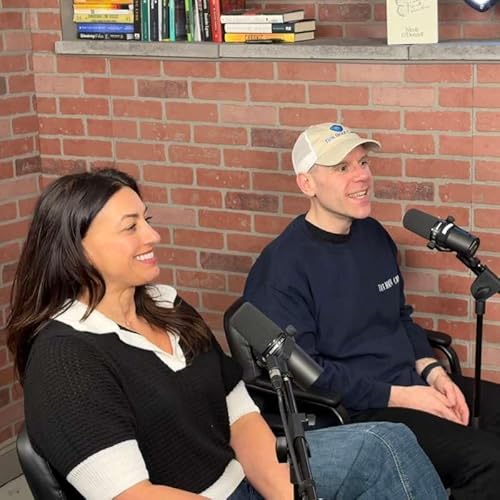
In this deeply emotional and inspiring episode of the Tick Boot Camp Podcast, Jasmin Perdomo shares her powerful 12-year journey through chronic Lyme disease, Bartonella, Babesia, debilitating neurological symptoms, medical gaslighting, emotional trauma, and ultimately — rediscovering herself through poetry, faith, and healing.
Raised in New Jersey and once a hyper-athletic young woman, Jasmin never imagined she would one day become bedridden, unable to walk without holding onto walls, crawling from her bed to the bathroom, and searching desperately for answers no doctor seemed able to provide.
But through unimaginable suffering came transformation.
Jasmin opens up about:
- Living years undiagnosed with Lyme disease
- Severe neurological Lyme symptoms including vertigo, memory loss, facial paralysis, and heart complications
- The emotional toll of chronic illness and divorce
- Her experience with aggressive antibiotic protocols and Herxheimer reactions
- Why detoxification, nervous system healing, spirituality, and creativity became essential parts of her recovery
- How poetry became her lifeline during the darkest moments of her journey
This conversation is raw, validating, and hopeful for anyone navigating Lyme disease, chronic illness, trauma, or identity loss.
In This Episode You’ll Learn Jasmin’s Early Lyme Disease Symptoms Jasmin describes how unexplained fatigue, tachycardia, heart palpitations, vertigo, ringing in the ears, slurred speech, and neurological symptoms slowly overtook her life while living in Puerto Rico.
The Reality of Medical Gaslighting Like many Lyme patients, Jasmin spent years searching for answers while being misdiagnosed, dismissed, and prescribed medications that failed to address the root cause of her illness.
Chronic Lyme Disease and Emotional Trauma The episode explores the connection between stress, trauma, emotional suppression, nervous system dysregulation, and chronic illness progression.
How Poetry Became a Healing Tool While bedridden, Jasmin returned to writing poetry — something she loved as a child — and discovered that creative expression became a powerful emotional detox and survival mechanism. Buy Bittersweet Body: a Poetic Memoir, Jasmin's debut poetry book, inspired her life’s mission: to illuminate the invisible in a visible world.
The Importance of Detoxification and Nervous System Healing Jasmin discusses the therapies that helped her most, including:
- Sauna therapy
- Binders
- Meditation
- Faith and prayer
- Journaling
- Acupuncture
- Gentle movement
- Emotional release through writing
Learning to Receive Help One of the most moving parts of the interview centers around Jasmin’s struggle with independence, vulnerability, and learning how to accept support from loved ones during her healing journey.
Key Takeaways From Jasmin Perdomo’s Lyme Journey - Healing from Lyme disease requires addressing the physical, emotional, and spiritual body.
- Detoxification can be just as important as antimicrobial treatment.
- Creativity and self-expression can become powerful healing tools.
- Nervous system regulation matters in chronic illness recovery.
- You are not weak for asking for help.
- Healing is possible — even after years of suffering.
Quotes From This Episode “Poetry saved my life. It gave me mouth-to-mouth resuscitation when I couldn’t breathe.”
“When my body became a stranger, writing helped me remember who I was.”
“You are not weak for asking for help.”
“Healing isn’t just physical. It’s emotional, spiritual, and deeply personal.”
About Tick Boot Camp Tick Boot Camp is a Lyme disease advocacy platform dedicated to helping people liberate themselves and others from Lyme disease through education, validation, community, and hope.
Through powerful conversations with patients, doctors, researchers, and healers, Tick Boot Camp reminds listeners that they are not alone — and that healing is possible.
🎧 Listen to more episodes


 14 mins
 Jul 25 20261 hr and 7 mins
 1 hr and 30 mins
 1 hr and 42 mins
 Jun 27 20261 hr and 21 mins
 1 hr and 49 mins
 Jun 13 20261 hr and 36 mins
 Jun 6 20261 hr and 4 mins