Episodes

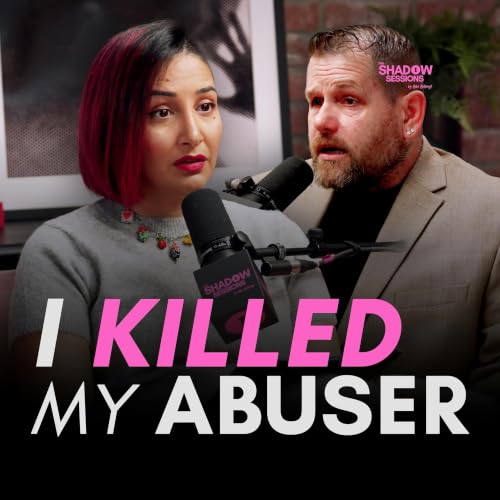
  • I Killed My Abuser
    Jun 24 2026
    What happens when the people meant to protect you never do? In this episode of The Shadow Sessions, Hiba Balfaqih speaks with David, who spent years growing up in an environment shaped by fear, control, and abuse. When systems that are supposed to intervene fail, trauma does not simply disappear—it adapts, accumulates, and leaves lasting psychological consequences. This conversation is not about violence. It is about what comes before it. The chronic stress of living in survival mode. The impact of prolonged childhood trauma on identity, emotional regulation, and the nervous system. And the reality of growing up without safety, support, or a path to escape. David reflects on the lasting effects of abuse, the weight of silence, and the difficult questions that emerge when trauma is left untreated for years. Together, they explore accountability, survival, and what happens when pain is forced underground until it can no longer stay there. This episode is about childhood trauma, systemic failure, and the lifelong search for healing after protection never arrived.
    Show More Show Less
    1 hr and 2 mins
  • How A 16 Years Old Robbed A Bank
    Jun 17 2026
    We love stories about bank robbers. The masks. The getaway cars. The thrill of the chase. Popular culture often turns them into anti‑heroes—rebels who live outside the rules. But what happens when the robbery isn’t really about the money? In this episode of The Shadow Sessions, Hiba Balfaqih speaks with Alex, a former bank robber whose actions were driven by something deeper than financial gain. Beneath the crime was a pattern of addiction, compulsion, and a relentless search for something that always seemed just out of reach. This conversation explores the psychology of risk, the allure of adrenaline, and how destructive behaviors can become substitutes for meaning, control, or escape. It examines what happens when the pursuit of a feeling outweighs its consequences. Alex reflects on identity, self‑deception, and the internal emptiness that can make danger feel alive. Because sometimes the story isn't about the crime itself—it's about the unmet needs, unresolved wounds, and patterns operating underneath it. This episode is about addiction, accountability, and what happens when a person is finally forced to confront the reasons behind the mask.
    Show More Show Less
    55 mins
  • America's Most Hated
    Jun 10 2026
    We often imagine hate as something obvious—loud, ignorant, easy to recognize. But radicalization rarely begins that way. It begins with belonging. With anger that feels like purpose. With identity built around opposition. In this episode of The Shadow Sessions, Hiba Balfaqih speaks with Arno, a former white nationalist skinhead who once lived at the center of extremist culture. He was the lead singer of a neo‑Nazi metal band and a member of Hammerskin Nation, one of the most violent white supremacist gangs in the United States. This wasn’t distant ideology. It was community, music, organizing, and identity. Today, Arno works with Parents for Peace, helping prevent radicalization and supporting individuals and families navigating extremism and disengagement from hate groups. This conversation explores the psychology of radicalization, how identity can become fused with anger and ideology, and what it actually takes to leave extremist movements behind after they have defined your purpose, your community, and your power. This episode is about transformation, accountability, and dismantling the beliefs that once shaped an entire life.
    Show More Show Less
    1 hr and 2 mins
  • The Untold Reality of Undercover Operations
    Jun 4 2026
    We’re taught to see law enforcement as strength—authority, control, protection. But what does it cost to live in danger every day? In this episode of The Shadow Sessions, Hiba Balfaqih speaks with Jennifer, a former Virginia State Trooper who worked undercover in high‑risk environments before joining the ATF. After 9/11, she was assigned to assist in the Pentagon investigation—working in conditions that would later impact her health. This conversation goes beyond the uniform. It explores the psychological toll of long‑term exposure to danger, how hyper‑vigilance becomes a baseline, and what happens to the body and mind when trauma is part of the job. Jennifer reflects on identity, sacrifice, and the unseen cost of protecting others—where the consequences aren’t always immediate, but often surface years later. This episode is about service, resilience, and the reality that behind every role is a human being carrying what the world doesn’t see.
    Show More Show Less
    56 mins
  • The Wheelchair Doesn't Stop Me
    May 27 2026
    Violence doesn’t always end a life. Sometimes it changes it completely. In this episode of The Shadow Sessions, Hiba Balfaqih speaks with Wesley, whose life split into before and after a single moment of violence left him paralyzed with a spinal cord injury. But this conversation goes beyond the physical impact. It explores the psychological aftermath—depression, identity loss, and what it means to live in a body that no longer feels familiar. Raised in an environment where toughness meant survival, Wesley learned to suppress pain. But after his injury, there was no escaping it—only facing it. This episode examines masculinity, resilience, and the internal battle that follows life‑altering trauma. It asks what it means to rebuild not just a body, but a sense of self when everything you once relied on has changed. This is a story about survival, identity, and choosing meaning after irreversible loss.
    Show More Show Less
    53 mins
  • The Judge Said It Was The Worst He'd Ever seen
    May 21 2026
    We’re taught adoption is a second chance—a safer home, a new beginning. But what happens when the place meant to protect becomes the source of harm? In this episode of The Shadow Sessions, Hiba Balfaqih speaks with Christopher, who was adopted along with his siblings into a home trusted by the system—where abuse, control, and neglect became a daily reality. This conversation goes beyond individual harm. It examines how systems designed to protect children can fail, how abuse can remain hidden in plain sight, and what it does to a child’s nervous system to live in constant fear without relief. Christopher shares his experience of survival, the psychological impact of prolonged trauma, and the long process of rebuilding identity after growing up in an environment where safety never existed. This episode is about systemic failure, resilience, and what it takes to heal after trust has been broken at every level.
    Show More Show Less
    1 hr and 17 mins
  • When The Monster was Family
    May 14 2026
    Most people imagine abuse as something that happens in dark, distant places. But in reality, it often happens at home—by someone the child knows, someone the family trusts. In this episode of The Shadow Sessions, Hiba Balfaqih speaks with Tracey, whose life changed the moment her daughter spoke up. Faced with a reality many struggle to accept, Tracey made a choice that defines this story—she immediately believed her child. What followed was confrontation, action, and a fight to protect her children from further harm. But this conversation goes beyond that moment. It explores the psychological aftermath—the guilt, the questions, and the painful process of reexamining what was once trusted. This episode examines abuse not just as an act, but as a rupture inside families and relationships. It asks what it means to seek justice when healing is ongoing, and what it takes to face betrayal when it comes from within your own home. This is a story about protection, accountability, and the long-echoing trauma that leaves behind.
    Show More Show Less
    1 hr and 1 min
  • Sold At 4 For Drug Money by her Mother
    May 7 2026
    We grow up with a core belief: a mother is safety, protection, and home. But what happens when that foundation breaks? In this episode of The Shadow Sessions, Hiba Balfaqih speaks with Jazmine, who survived profound abuse within her own home—where harm was not hidden, but normalized, and the person meant to protect her became the source of danger. This conversation goes beyond abuse itself. It explores attachment trauma, how early betrayal reshapes a child’s understanding of love and safety, and the lasting psychological impact of growing up without protection. Jazmine reflects on identity, trust, and what it means to rebuild a sense of self when your earliest blueprint for care was distorted. She also shares the difficult but powerful process of learning to create safety from within. This episode is about trauma, resilience, and what it takes to reclaim your life when the place that should have been safest was not.
    Show More Show Less
    1 hr and 14 mins