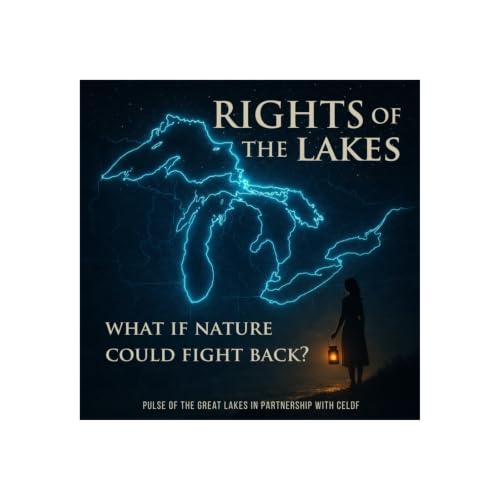
• Environmental Regulation Has Failed Us | The Case for Rights of Nature
    Jun 30 2026

    In this episode, Tamara is joined by Tish O'Dell and Ben Price of CELDF. The conversation explores the evolving concept of Rights of Nature, highlighting its origins, challenges, and the global movement advocating for nature's rights. The speakers discuss the importance of community engagement, cultural shifts, and the role of indigenous wisdom in shaping environmental laws. They emphasize the need for local actions to drive change and prepare for potential pushback against the movement as it gains traction.

    Key Takeaways

    The Rights of Nature movement started in a small borough in Pennsylvania and has grown globally.

    Ecuador's constitutional recognition of nature's rights has inspired similar movements worldwide.

    Indigenous populations play a crucial role in the success of rights of nature initiatives.

    Legal frameworks for nature's rights are evolving, but challenges remain in implementation.

    Community engagement is essential for the movement's success and sustainability.

    Cultural shifts are necessary to change perceptions of nature from property to a living entity.

    The movement faces potential co-opting by corporate interests, which could dilute its goals.

    Local actions can inspire broader movements and create a ripple effect in neighboring communities.

    The health of the environment is directly linked to human health and well-being.

    Expect resistance as the movement grows, but remain committed to the cause.

    Chapters

    00:00 Introduction to Rights of Nature

    11:29 The Evolution of Rights of Nature

    20:15 Challenges and Opportunities in Implementation

    27:28 Global Perspectives on Rights of Nature

    39:11 Cultural Shifts and Community Engagement

    56:08 Local Actions and Global Movements

    69:12 Conclusion and Future Directions

    Read the Rights of the Lakes Blueprint. Join our Email List. Get involved and organize where you live: GreatLakesPulse.com

    Watch the podcast on YouTube: https://youtu.be/4TsuZT6Q4po?si=7cnVDgeFCzp5s5Cy

    Show More Show Less
    1 hr and 7 mins
  • The Right Not To Be Poisoned
    Jun 30 2026

    In this episode, the conversation revolves around the New York and Great Lakes Bill of Rights, its evolution, challenges, and the importance of community empowerment in environmental decision-making. Tamara is joined by Tish O'Dell and Ben Price of CELDF (Community Environmental Legal Defense Fund). They discuss the opposition faced from major environmental groups, the role of corporate personhood in environmental issues, and the potential impact of the Bill on communities. They emphasize the need for youth engagement in environmental activism and the importance of educating future generations about their rights and responsibilities towards nature.

    Key Takeaways

    The Great Lakes Bill of Rights was inspired by the Lake Erie Bill of Rights.

    Community engagement is crucial for the success of environmental legislation.

    Opposition from major environmental groups is common in rights of nature movements.

    Empowering communities to make decisions about their environment is essential.

    Corporate personhood complicates environmental decision-making.

    The Great Lakes Bill of Rights could set a precedent for other states.

    Youth engagement is vital for the future of environmental activism.

    Education about rights of nature is necessary for community empowerment.

    The interconnectedness of ecosystems must be recognized in legislation.

    Long-term impacts of projects must be considered over short-term benefits.

    Chapters

    00:00 Introduction to the Great Lakes Bill of Rights

    08:48 The Evolution of the Great Lakes Bill of Rights

    12:42 Challenges and Opposition to Rights of Nature

    20:10 Community Empowerment and Environmental Decision-Making

    30:49 The Role of Corporate Personhood in Environmental Issues

    37:08 Potential Impact of the Great Lakes Bill of Rights

    46:34 The Future of Rights of Nature and Youth Engagement

    Read the Rights of Nature Blueprint for the Great Lakes Basin Region. Subscribe to our newsletter to get involved where you live: GreatLakesPulse.com.

    Watch the podcast on YouTube: https://youtu.be/iZzQXmM-hWM?si=4nyI1VYPwBy2FFDo

    Show More Show Less
    53 mins
  • Corporate Personhood is Killing Us | The Lake Erie Bill of Rights
    Jun 30 2026

    Episode 2 in our ongoing Rights of the Lakes series. Tamara is joined by Tish O'Dell and Ben Price from the Community Environmental Legal Defense Fund (CELDF). This conversation explores the concept of Rights of Nature, focusing on the Lake Erie Bill of Rights (LEBOR). The discussion covers the origins of LEBOR. Its significance, the reactions it garnered, and the implications of its eventual overturning. This episode emphasizes the importance of community activism and the need for greater awareness and support for environmental legislation in the Great Lakes Basin region.

    Key Takeaways

    Rights of Nature is crucial for protecting ecosystems.

    The Lake Erie Bill of Rights was a groundbreaking legislation.

    Libor faced significant opposition from corporate interests.

    The overturning of Libor highlights systemic issues in environmental law.

    Community activism is essential for advancing environmental rights.

    Public awareness of environmental issues is increasing.

    Legislation must prioritize human and ecological rights over corporate interests.

    Lessons from Libor can guide future rights of nature efforts.

    The fight for environmental protection is ongoing and complex.

    Engagement in local politics is vital for effective change.

    Chapters

    00:00 Introduction to Rights of Nature

    02:07 Understanding the Lake Erie Bill of Rights (Libor)

    14:23 The Impact and Reactions to Libor

    31:50 Legal and Cultural Implications of Libor's Overturn

    41:59 Lessons Learned and Future of Rights of Nature Legislation

    Read the Rights of the Lakes Blueprint and Get Involved: GreatLakesPulse.com

    Watch this podcast on YouTube: https://youtu.be/6zSoFYbddx8?si=6uWO4DsgqeJuY4cz

    Show More Show Less
    52 mins
  • The Great Lakes Want Their Rights Back - And So Do We
    Jun 30 2026

    In this first episode of Rights of the Lakes, host Tamara Graham speaks with Tish O'Dell, and Ben Price of CELDF (Community Environmental Legal Defense Fund). They delve into the concept of Rights of Nature, particularly in the context of the Great Lakes Basin region.

    They discuss the legal implications of granting rights to ecosystems, common misconceptions surrounding the movement, and the interconnectedness of humans and nature. The conversation highlights the importance of recognizing nature's rights to protect both the environment and human communities, while also addressing the challenges posed by corporate personhood and the current legal system.

    In this conversation, the speakers explore the definitions of progress and sustainability, emphasizing the need for a cultural shift towards recognizing our interconnectedness with nature. They discuss the wisdom of indigenous communities and the importance of establishing rights of nature within modern law.

    The conversation highlights the detrimental effects of technological advancements and the necessity of community and connection in fostering a healthier relationship with the environment. Ultimately, they advocate for a harmonious existence with nature, urging listeners to engage with their surroundings and recognize the impact of their actions.

    Key Takeaways

    Rights of nature is about ecosystems, not individual entities.

    Legal rights for nature aim to protect entire ecosystems.

    The movement faces pushback from those benefiting from the status quo.

    Corporate personhood complicates the conversation around nature's rights.

    Protecting nature is essential for human survival.

    The law often fails to recognize the interconnectedness of humans and nature.

    Rights of nature can empower communities to protect their environment.

    Misunderstandings about rights of nature often stem from legal misconceptions.

    The current legal system is designed to keep nature's rights invisible.

    Community involvement is crucial for the success of rights of nature laws. How do you define progress?

    We are nature, right?

    Sustainable murder is a powerful statement.

    We need a cultural shift in our mindset.

    You only protect what you love.

    Nature is going to have the last word.

    We are our own worst enemies in this system.

    We need each other to thrive.

    Go outside, be out in nature.

    Indigenous wisdom teaches us about right relationships.

    titles

    Understanding Rights of Nature

    The Fight for Ecosystem Rights

    Empowering Communities through Nature's Rights

    Legal Rights for Nature Explained

    Chapters

    00:00 Introduction to Rights of Nature

    01:11 Meet the Guests: Tish O'Dell and Ben Price

    05:04 Common Misunderstandings of Rights of Nature

    07:59 Understanding Legal Rights for Nature

    11:23 The Radical Nature of Rights for Ecosystems

    14:45 Interconnectedness of Humans and Nature

    18:33 The Divide and Conquer Strategy in Law

    21:44 How Rights of Nature Protect Communities

    24:01 Defining Progress and Sustainability

    27:32 Indigenous Wisdom and Modern Law

    30:46 Cultural Shifts and Right Relationships

    36:11 The Need for Community and Connection

    39:42 Living in Harmony with Nature

    Visit our website to connect: GreatLakesPulse.com

    Watch this podcast on YouTube: https://youtu.be/1XBifO8G-pU?si=P688uL7rNVt4iaMF

    Show More Show Less
    38 mins