In this episode of the Water Lobby Podcast, hosts Sanjay and Eduardo are joined by community organizer Liv to dive into a heavy but necessary conversation. From the looming “Day Zero” in Iran to the controversial expansion of data centers in Texas, the team explores how water is being leveraged as a tool of war, industry, and survival.
🌍 The Global Crisis: Iran and the Middle East
The Middle East holds roughly 6% of the world’s population but only 2% of its renewable freshwater. Recent geopolitical tensions have put water infrastructure—specifically desalination plants—directly in the crosshairs.
Sanjay highlights a terrifying reality: countries like Qatar, Saudi Arabia, and the UAE depend on desalination for 50% to 90% of their water. In a conflict, these facilities are fragile targets.
The Concept of “Day Zero”
Originally coined during South Africa’s water crisis, Day Zero is the moment a city’s taps officially run dry.
* Tehran: Currently facing reservoirs in the single-digit capacity.
* Texas Parallel: Residents of Corpus Christi are watching water levels drop to historic lows, sparking fears of a domestic version of this crisis.
Shutterstock
🏗️ The Data Center Dilemma: Prosperity or Resource Grab?
A major focus of the discussion is the “sprawl” of data centers across Texas—from Round Rock to San Marcos. While companies promise “innovation,” the local reality is often different.
The Hidden Costs:
* Water Intensity: Data centers require massive amounts of water for cooling systems.
* Energy Consumption: They strain the local grid, often while receiving massive tax breaks.
* Noise Pollution: The constant hum of cooling fans can impact the physiological health of nearby residents.
* The “10 Jobs” Problem: Huge facilities often provide very little local employment relative to the resources they consume.
👩🍳 The “Home Economics” of Water Scarcity
Eduardo and Liv bring a vital perspective to the table: water is a feminist issue. In many cultures, including Eduardo’s Mexican background, the burden of managing household water—cooking, cleaning, and childcare—falls disproportionately on women. When a community faces “water bankruptcy,” the interface of that scarcity happens in the kitchen.
“We talk about international economics, but we forget about home economics. The scarcity is felt by the mother trying to figure out how to cook for her children with half a bucket of water.” — Eduardo
🛠️ The Professional Pivot: Taking Responsibility
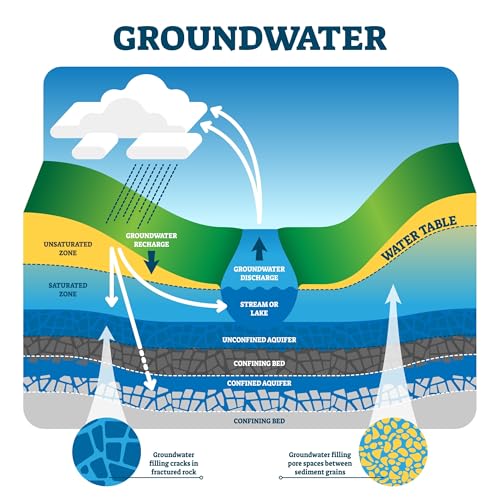
In a moment of refreshing candor, Sanjay and Eduardo—both engineers—critique their own industry. They discuss how five-year water plans often show “50 years of availability” based on outdated data, misleading communities and developers about the actual health of aquifers like the Edwards Aquifer.
Solutions for the Future:
* Low Impact Development (LID): Using green infrastructure (like tree canopies) instead of just concrete to manage runoff and cool cities.
* Community Journalism & Science: Translating complex data into visuals that the public can actually use to hold leaders accountable.
* Mixed-Use Data Centers: Imagining facilities that sit beneath affordable housing, subsidizing living costs while integrating into the community rather than walling it out.
📜 Closing Thoughts: A Poem for Survival
The episode concludes with a poignant reminder that while we fight over resources, the goal is ultimately human freedom and safety. Eduardo shares a poem by Gloria Carter, emphasizing the need to step out of the “shadows” of fear.
“May the water gods be with us.”
This is a public episode. If you would like to discuss this with other subscribers or get access to bonus episodes, visit waterlobby.substack.com


 Apr 5 20261 hr and 39 mins
 Nov 3 20251 hr and 14 mins