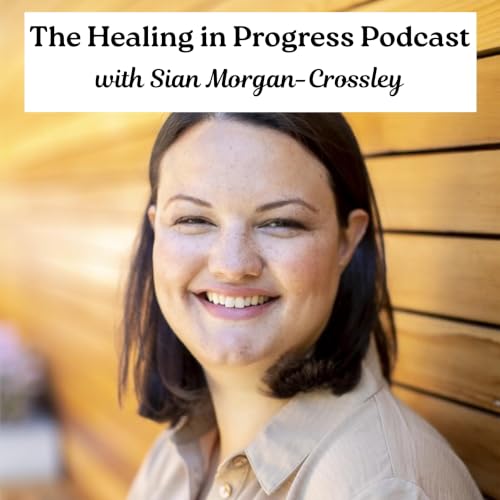
The Healing In Progress Podcast cover art

The Healing In Progress Podcast

The Healing In Progress Podcast

By: Sian Morgan-Crossley
Listen for free

How do I heal from my past? Why can’t I relax and enjoy life? How do I move on from my childhood? Why are relationships so difficult for me? How can I do things differently with my own children?


This podcast will help you make the link between the difficult parts of your childhood and what’s going wrong in your life today. Childhood trauma affects everything, from the way you feel about yourself to your ability to connect with other people. Your childhood lays the foundations for how you cope with stress, what you choose to do with your life, how confident you feel, and the way you parent your own children.


This podcast is for you if you want to learn more about yourself and want to find ways to heal emotionally and evolve.


You’ll find some solo shows from your host Sian, a psychotherapist and Mum of two, as well as guest episodes where Sian dives in deep with experts on topics that will help you learn, heal and grow. A difficult childhood doesn’t have to mean a difficult adulthood. Don’t forget to subscribe and tune in!

Hosted on Acast. See acast.com/privacy for more information.

Sian Morgan-Crossley
Spirituality
Episodes
  • Why Siblings See Their Childhood Differently
    Jun 19 2026

    Siblings often grow up together but have different memories of their childhood, which can lead to misunderstandings. This episode explores why these differences happen and how they affect relationships. Understanding these dynamics can help build compassion and connection. This episode is perfect for anyone wanting to understand their relationship with their siblings better.


    In this episode I discuss:


    • Why siblings often remember childhood differently and how this impacts trust.
    • The role of family environment, temperament, and parental behavior in creating emotional divides.
    • How coping strategies like hyper-vigilance or emotional detachment develop in response to dysfunctional homes.
    • Why defending family stories is sometimes about self-preservation, not denial.
    • Practical steps to foster understanding, accept relationship limitations, and heal over time, even if only from a distance.


    If you want guidance with healing after a difficult childhood, you can try The Emotional Growth Hub for free for 2 weeks!


    https://www.breakthecyclecoaching.co.uk/bundles/membership-free-trial

    Hosted on Acast. See acast.com/privacy for more information.

    Show More Show Less
    27 mins
  • Why Setting Boundaries Can Leave You Feeling Lonely
    Jun 3 2026

    Have you ever worked hard to stop people pleasing, started setting healthier boundaries, and then found yourself feeling lonelier than ever?


    In this episode, I'm exploring a part of healing that doesn't get talked about enough: the loneliness that can appear after you stop abandoning yourself.


    Links:


    Membership Free Trial

    Order my book; How to Heal From Emotionally Immature Parents

    The Self-Connection System


    Many of us learn early in life that connection comes through being agreeable, accommodating, helpful, or endlessly understanding. So when we begin saying no, speaking up, reducing contact with difficult family members, or stepping back from one-sided relationships, our relational world often changes.


    But what happens when healthier boundaries leave you questioning yourself?

    How do you know whether you're protecting your peace or pushing people away?

    What's the difference between healthy boundaries and emotional walls?

    And how do you build genuine connection without slipping back into old patterns of people pleasing?


    In this episode, I discuss:

    • Why loneliness is often a normal part of childhood trauma recovery
    • The hidden grief that can come with setting boundaries
    • How people pleasing shapes adult relationships
    • The difference between discomfort and danger in relationships
    • Why healthy relationships still involve conflict, misunderstandings and imperfection
    • How to stop personalising other people's behaviour
    • What healthy connection looks like after emotional healing

    If you've ever wondered whether you've become "too strict," "too independent," or "too much" since starting your healing journey, this episode will help you understand why the space between old patterns and healthier relationships can feel so uncomfortable—and why it doesn't mean you're doing anything wrong.


    Keywords: people pleasing, boundaries, childhood trauma, emotional healing, relationship boundaries, childhood emotional neglect, family relationships, trauma recovery, emotional resilience, healthy relationships, self-worth, personal growth, emotional immaturity, healing from childhood trauma.


    Hosted on Acast. See acast.com/privacy for more information.

    Show More Show Less
    23 mins
  • Going Low Contact With Parents
    May 28 2026

    What happens after you finally create distance from emotionally immature or dysfunctional parents, and instead of feeling free, you feel lost?


    In this episode, Sian Morgan-Crossley explores the complicated emotional aftermath of going low contact with family. We talk about why relief and grief often coexist, why boundaries can trigger guilt even when they are healthy, and how many adults unknowingly build their identity around managing other people’s emotions.


    Membership Free Trial: Membership Free Trial


    Email in your dilemma: breakthecyclecoach@gmail.com


    This conversation dives into the hidden psychological impact of emotionally immature parenting, childhood emotional neglect, hypervigilance, people-pleasing, and attachment wounds. We explore the deep grief of accepting that the relationship you longed for with your parents may never fully exist, and why that realization can feel like mourning both your childhood and your future hopes at the same time.


    I also discuss:


    • Why going low contact can feel emotionally disorienting
    • How dysfunctional family roles shape personality and self-worth
    • The nervous system effects of growing up around emotional unpredictability
    • Guilt, shame, and the fear of choosing yourself
    • How to slowly rebuild a sense of self after emotional enmeshment
    • Learning who you are outside of survival, performance, and self-abandonment


    If you’ve ever questioned your decision to distance yourself from family, felt emotionally untethered after setting boundaries, or struggled to understand why healing feels both freeing and painful, this episode will help you feel deeply understood.


    Hosted on Acast. See acast.com/privacy for more information.

    Show More Show Less
    28 mins
adbl_web_anon_alc_button_suppression_t1
No reviews yet