Episodes

  • We Hardly Knew You: Colin Baker's 11-Story Legacy - Colin Baker Retrospective
    Jun 24 2026

    John and Jim bid farewell to the Sixth Doctor with surprising revelations about changed opinions, why fandom got it wrong, companion dynamics, and Colin's enduring legacy as ambassador for a show that screwed him over.

    John's Shocking Confession: After going into the Colin Baker era expecting disaster based on fan reputation, John emerges with a stunning announcement about where Colin now ranks in his Doctor hierarchy. Discussion covers what changed his mind and why the arrogance that defined Sixth Doctor was actually a feature, not a bug.

    The Great Reassessment: Where does Colin Baker hate really come from? The hosts dig into the Davison devotion factor, the "hurt/comfort" fiction phenomenon, visual pushback, and story selection bias. Parallels drawn to another controversial modern Doctor currently experiencing reassessment. The question: does Colin deserve a renaissance?

    Season Showdown: Jim and John compare Season 22's classic monster lineup against Trial of a Time Lord's experimental structure, with numerical ratings revealing surprising sympathies and contradictions. Twin Dilemma gets revisited with fresh perspective.

    Peri vs. Mel: Deep dive into why the Doctor/Peri dynamic never quite worked (flashback to guests on John's old public access show The Chronic Rift bashing their chemistry), why Mel clicked better with Sixth than she will with Seventh, and what might have been with that brief Tegan/Colin pairing.

    The BBC Institutional Problem: Doctor Who as "begrudging institution" Britain was done with by 1987, contemporary articles calling for the show to rest, and the uncomfortable parallel to where we are today.

    Saward vs. JNT: Who really sabotaged Colin's era? The case against Eric Saward for wanting the Doctor "off to the side," the case for JNT staying despite wanting to leave, and how Andrew Cartmel represents the moment fans took over the asylum. The Chris Chibnall irony explored.

    Colin the Ambassador: Why Colin immediately embraced fandom despite BBC treatment while Tom Baker grudgingly came around decades later. Discussion covers charity work, fan productions, regrets about the regeneration he refused, and the motivation difference between appreciation and adulation.

    McCoy Preview: John drops a gauntlet: three stories from the Seventh Doctor era will score 15/15 as among the best of the entire classic run. Setup for the Troughton-inspired "don't underestimate me" Doctor and predictions about acting range debates.

    Final Doctor Rankings Revealed: Jim and John count down their top six Doctors with Colin landing in surprising positions on both lists. The Tom Baker controversy unpacked - why both hosts rank him lower than conventional wisdom despite his institutional status.

    Coming Up Next:

    Patreon Exclusive (Monday): Comic "Prophets of Doom," more Doctor Who music, Memory TARDIS wheel spin, and reactions to recovered Dalek Master Plan episodes 1 & 3 (BBC YouTube Easter miracle).

    Main Feed (Monday - Schedule Change!): "Time and the Rani" - Sylvester McCoy's debut with Kate O'Mara as the Rani. Jim's first narration of the McCoy era.

    Hashtags:

    #DoctorWho #ColinBaker #SixthDoctor #Retrospective #11Stories #WeHardlyKnewYou #DoctorRankings #Season22 #Season23 #TrialOfATimeLord #ClassicWho #DoctorWhoPodcast #SylvesterMcCoyPreview #FandomReassessment

    Show More Show Less
    56 mins
  • The Greatest Snore in the Galaxy - The Greatest Show in the Galaxy
    Jun 17 2026
    The Story That Beats Coronation Street (But Divides the Hosts) Stephen Wyatt returns after Paradise Towers to deliver a circus-themed finale to Season 25. Expanded from three parts to four at John Nathan Turner's request, this story follows the Doctor and Ace arriving at the psychic circus on the planet Seganax—except Ace hates circuses, and the Doctor seems unusually fascinated by performance, danger, and magic. It wins over behind-the-sofa panelists and pulls the highest ratings of McCoy's entire run (beating Coronation Street for the first time), yet one host finds it compelling while the other considers it nearly unwatchable. What makes the difference? Production Under Impossible Circumstances The asbestos discovery that plagued Silver Nemesis forced this finale into a makeshift tent rigged in the parking lot. The budget is visibly exhausted by this point, yet the production team managed to secure Jeffrey Durham (The Great Soprendo) as the first magic consultant since 1977 to coach McCoy in juggling. The explosion sequence near McCoy was supposed to be blown air with added effects—until last-minute testing showed it looked unconvincing, so they switched to live pyrotechnics without telling the lead actor. He didn't blink on set because he believed there wouldn't be a retake. The Doctor's Behavior: A Fundamental Divide One host sees a character temporarily set aside his usual competence for story purposes. The other sees the Doctor acting like a completely different person—gullible, clumsy, silly, and uncharacteristically unable to read situations. The proactive crime-fighter from Remembrance and The Happiness Patrol has vanished, replaced by someone who falls into obvious traps and does pratfalls. McCoy's physical comedy training makes the juggling work, but does the writing serve the character he's been becoming over the last three stories? The Satire Cuts Both Ways Whiz Kid represents fandom—earnest, excited, devoted to the circus's history. His reward is a cruel, unnecessary death played as harsh comedy. What's the point of making fun of fans, especially when the message seems to be that fans should be punished for their devotion? Meanwhile, the real family in the audience—who turn out to be the Gods of Ragnarok—are abstract divine beings demanding entertainment. Who is the story really criticizing? A Pantheon Problem The Gods of Ragnarok are named after Norse mythology's apocalypse, yet they look almost Egyptian with their eye-based design. They get referenced later in New Who (specifically with the Fifteenth Doctor), which raises the question: did this story earn that future callback, or does the massive concept introduced in Part Four feel tacked on? What does naming them after Ragnarok actually accomplish? Character Choices Captain Cook is largely despised—a manipulative bore whose presence never makes sense. Mags is the victim of a rushed werewolf transformation that doesn't commit to either wolf or cat form. Kingpin is confusingly established as the former circus leader, but the revelation lands without impact. Bellboy's name suggests something, but what? The food cart lady exists to expose hippies. Meanwhile, the Chief Clown—sinister, physically controlled, genuinely threatening—stands out as the most interesting antagonist, but even he doesn't quite fit the larger story. Does a Four-Part Circus Need to Be This Long? The production feels stretched, relying on repetitive moments (running through quarries, hiding in tents, escaping robots) that feel interchangeable by Part Three. Could this have been told in three parts? Would removing redundant sequences have tightened the narrative? Does the extended runtime serve the story, or does it expose the thinness of the plot? Production Highlights: Music: First original song for Doctor Who since The Gunfighters (1966). Performed by Rico Ross, who played Private Frost in Aliens. Magic Consultant: Jeffrey Durham (The Great Soprendo)—first since Talons of Weng Chiang (1977) Guest Star: Jessica Martin (Mags) returns to the role in Big Finish and will later play Queen Elizabeth in Voyage of the Damned Ratings: 5.0–5.3–4.8–6.6 (the finale pulls the highest numbers of McCoy's entire run) Coming Up Next: Friday (Patreon): Doctor Who: The Ultimate Adventure (1989 stage production with John Pertwee—the clearest footage available on YouTube). Following Wednesday (Main Feed): Colin Baker retrospective (hiatus episode). Jim's Links: Big Top Tales Anthology - https://www.amazon.com/Big-Top-Tales-Nicholas-Ahlhelm/dp/1522700226 Pulp Fest Convention - http://www.pulpfest.com/ Hashtags: #DoctorWho #GreatestShowInTheGalaxy #Season25Finale #SylvesterMcCoy #SophieAldred #CircusStory #GodsOfRagnarok #StephenWyatt #ClassicWho #HostDisagreement #DoctorWhoPodcast
    Show More Show Less
    1 hr and 20 mins
  • Season 25 Retrospective, Dalek Death Wheels, and the Announcement That Changes Everything - Patreon Exclusive #175
    Jun 10 2026

    [Special Release: This episode is being released simultaneously on the main feed and Patreon for immediacy.]

    BREAKING NEWS: The Future of Doctor Who Takes a Dramatic Turn

    Just hours before recording, the BBC made a major announcement that affects Doctor Who's direction for years to come. RTD and Bad Wolf are parting ways with the BBC. The Christmas special is canceled. New production arrangements are being sought. John and Jim process what this means for fandom, for the show's creative identity, and for the possibility of a true fresh start. One host sees this as inevitable reckoning; the other worries about what gets lost in transition. Both discuss how long the darkness might last—and whether that's actually a bad thing.

    Season 25: Taking Stock of Four Stories

    After racing through Remembrance of the Daleks, Silver Nemesis, Happiness Patrol, and The Greatest Show in the Galaxy, Jim and John pause to rank what they've just watched. Best episode? That's clear. Worst episode? They disagree—and don't let ratings alone settle it. Best villain, best companion, best guest star, best monster, funniest moment, best overall moment—each category sparks different reactions. What makes a story work, even when individual elements fail? When does spectacle overwhelm character? Why does one host adore a story the other found painful?

    Nemesis of the Daleks: The First Dalek Comic in Ages

    A four-part comic strip featuring the Doctor's oldest enemies—and a character that may or may not have survived. The art improves significantly from recent strips. The scope feels genuinely cinematic with the Dalek Death Wheel. But here's the question: did the ending rush a story that deserved more room to breathe? John appreciates the scale; Jim wishes the narrative had time to match it. Both wonder if this Dalek adversary will return.

    Music & Memory TARDIS

    "The Psychic Circus" by Christopher Guard (who played Bellboy) is a curiosity—an actual song written specifically about an episode, not the show itself. Peter Davison's final story, "The Caves of Androzani," offers stunning supporting characters and a presidency subplot that overshadows the main narrative. One host loves it unreservedly; the other would only revisit select scenes.

    What Doctor Who Needs Now

    With RTD out and the show facing a complete reset, Jim and John discuss what a new showrunner should do. Forget continuity complications? Embrace them? How long should the silence last? Should the next Doctor arrive on screen with no explanation, like Eccleston did? Can a complete reboot work? Should there even be a TARDIS anymore? These aren't answered so much as explored—and the conversation suggests the wilderness years ahead might be exactly what the franchise needs.

    Support the Podcast:

    Join us on Patreon for early access to episodes like this, exclusive comics, Memory TARDIS selections, and bonus content!

    The Doctor's Beard Podcast on Patreon

    As little as $3/month gets you:

    • Early access to all episodes

    • Exclusive Patreon-only content

    • Full comic strips we discuss

    • Bonus Memory TARDIS segments

    $5/month adds access to our special Gatwa and Tennant reviews from the Disney era.

    Coming Up Next:

    Friday (Patreon): Doctor Who: The Ultimate Adventure (1980s stage production from 1989, featuring 70-year-old John Pertwee).

    Following Wednesday (Main Feed): Colin Baker retrospective (previously recorded Patreon exclusive from our hiatus).

    Following Monday (Patreon): Music, Memory TARDIS, and comics "Stairway to Heaven" and "Hunger from the Ends of Time."

    Hashtags:

    #DoctorWho #PatreonExclusive #Episode175 #RTD #BadWolf #ChristmasSpecialCanceled #Season25Retrospective #NemesisOfTheDaleks #SylvesterMcCoy #PeterDavison #CavesOfAndrozani #FutureOfDoctorWho #ClassicWho #NewWho #DoctorWhoPodcast #BrokenNews

    Show More Show Less
    1 hr and 8 mins
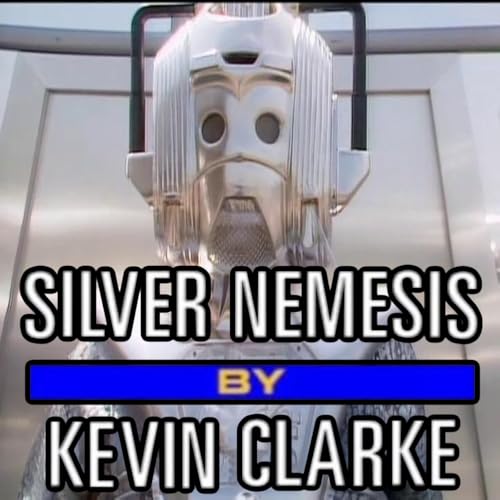
  • 25 Years, Three Factions, One Mysterious Object: The Anniversary That Might Not Be - "Silver Nemesis"
    Jun 10 2026
    It's the 25th anniversary of Doctor Who, and for the occasion the BBC has assembled Nazis, Cybermen, time-traveling aristocrats, and a mysterious statue made of something that shouldn't exist. Add a comet, multiple centuries, and the Doctor's increasingly cryptic hints about his own past, and you've got an episode that John and Jim can't quite agree on.

    Production Under Pressure

    John Nathan Turner wanted this as the season opener for maximum impact, but the Summer Olympics threw everything into chaos. More trouble: they found asbestos in the studio. No interior TARDIS scenes meant everything had to go on location—Windsor Castle (well, a substitute), 17th-century England, and actual museums. The budget request for a proper 25th-anniversary celebration? Denied by BBC One's controller, who wasn't even a fan of the show. Tensions on set ran high, mirroring Colin Baker's era.

    The Idea That Started It All

    Kevin Clark walked into pitch meetings with no idea what to pitch. Sat down with JNT and Andrew Cartmell, and when asked what he had, he said: "Doctor Who is God." (They asked him to leave God out of it.) His concept became a story about a cosmic object, living space metal, and something called Validium. The Cybermen? Added last-minute by JNT as a twist to make it the anniversary story.

    Guest Stars and Hidden Layers

    Fiona Walker returns nearly 25 years after "The Keys of Marinus." Leslie French, who once auditioned to play the First Doctor, appears as a mathematician. Anton Differing took the Nazi role mainly to catch Wimbledon on London television. A celebrated jazz musician leads the band and gets screen time. The behind-the-sofa consensus: this beats Happiness Patrol. The Cybermen get one final classic appearance before the costumes literally fall apart (they were taped together and spray-painted silver).

    Where the Story Divides

    One host sees excellent location work, great chemistry between the leads, well-choreographed action, and "good bonkers" energy. The other finds forced humor, a clumsy attempt to deepen the Doctor's mystery, misogynistic moments, and stereotypical American characters that undermine the tone. The final scene—with Ace asking a question and the Doctor refusing to answer—creates genuine friction neither host expected.

    An Anniversary That Isn't Quite One

    For a 25th-anniversary episode, it's surprisingly light on callbacks. The real tribute to Doctor Who's past is the Cybermen themselves—silver, returning, and defeated in ways that feel... almost accidental? Multiple plot threads intersect (the Nazis, the magical artifact, the time-jumping aristocrat, the alien invaders), and whether they mesh or clash depends entirely on your tolerance for chaotic storytelling.

    Coming Up Next:

    Monday (Patreon Early): Patreon Exclusive 174 with music, Memory TARDIS, and three-part comic "Invaders from Gantac" by Alan Grant.

    Following Wednesday (Main Feed): Season 25 finale with "The Greatest Show in the Galaxy" (four parts). John promises it's "right up his alley."

    Hashtags:

    #DoctorWho #SilverNemesis #25thAnniversary #SylvesterMcCoy #SophieAldred #Cybermen #ClassicWho #BehindTheSofa #ProductionTrouble #HostDisagreement #Validium #McCoyEra #TimeLord #Mystery #DoctorWhoPodcast

    Show More Show Less
    1 hr and 37 mins
  • From Remembrance to Regression: Where Everything Falls Apart - "The Happiness Patrol"
    Jun 3 2026
    The whiplash is immediate and brutal. After the triumph of "Remembrance of the Daleks," this three-part story lands like a thud. Jim gives another harsh —an unprecedented score that suggests something fundamentally broken beneath the surface. Despite strong performances from McCoy and Aldred, the story struggles with disconnected thematic elements, confused production design, and a narrative that never quite coheres. The Setup That Doesn't Work Terra Alpha: an Earth colony where mandatory happiness enforced through surveillance and a cheerful Happiness Patrol keeps citizens compliant. The story also includes a candy-obsessed killer, underground dwellers (indigenous inhabitants driving plot devices), a visiting blues musician, and a complex political hierarchy. None of these elements integrate coherently. Jim's assessment: This is Paradise Towers revisited, but worse. Same drab corridors masquerading as streets, same societal oppression, same everything-we've-seen-before feeling, but without even Paradise Towers' redeeming visual moments. The Candyman Disaster Originally planned as a human villain—just a bored, pale killer. JNT and director Chris Clough wanted a robot instead. The result: an uncomfortable costume that restricted the actor's movement and visibility, made the character nonsensical, and looked rushed and disconnected from every other design element on set. The production nearly got sued by a candy company for the character's visual design. , Tonal Chaos The story can't decide what it wants to be. Satirical critique of authoritarian happiness? Straight thriller? Comedic romp? It tries all three and masters none. The mime-like makeup on the Happiness Patrol's faces goes unexplained. The slot machine execution method appears once, then switches to fondant surprise. These aren't deepening themes—they're random design choices. McCoy and Aldred Carry the Load Both hosts agree the leads transcend the material. McCoy's ad-libbed singing of "As Time Goes By" shows theatrical training and improvisational instinct. Aldred proves her action credentials and moral agency—the Doctor actively investigating rather than stumbling into danger. Yet even their chemistry can't save disconnected storytelling. John's specific note: the Doctor telling Ace "You're no good to me like this" when she's about to attack—character development that deserves better context. Production Quirks The TARDIS gets painted pink by the Happiness Patrol, requiring repainting back to blue. The sets feel claustrophobic despite supposedly being outside on streets. The behind-the-sofa guests (except McCoy, Aldred, and Sheila Hancock) admitted the story didn't work. Ratings dropped after Episode One (5.3M to 4.6M to bounce back to 5.3M). The Political Subtext Nobody Asked For Sheila Hancock (Helen A) read the script as Margaret Thatcher allegory and deliberately amplified her performance toward that direction. Andrew Cartmel apparently got nervous about the comparison; Hancock pushed harder into it. John appreciates the subtext; Jim dismisses it as irrelevant to the story itself. The political commentary doesn't enhance the narrative—it distracts from already-muddled plotting. What Could Have Worked Discussion of road-not-taken choices: What if they'd fully integrated Ace into the Happiness Patrol with brainwashing elements? What if the candy theme permeated every design choice instead of being isolated to the Candyman? What if this story had followed something other than the series' strongest episode? The Colin Baker Question Jim wonders aloud how Colin Baker might have handled this material—would his more theatrical approach have elevated the chaos or made it worse? Speculation on whether "Happiness Patrol" appears in any of the audio continuations (especially with alternate Doctors). Coming Up Next: Monday Patreon Exclusive 173: Music, Memory TARDIS, Doctor Who Unbound audio "Full Fathom Five," and comics—"Time and Tide" and "Follow That TARDIS!" Wednesday Main Feed (Friday Patreon Early): "Silver Nemesis" - the ACTUAL 25th Anniversary story (three parts). Jim handles narration. Will it recover from Happiness Patrol? Hashtags: #DoctorWho #TheHappinessPatrol #Season25 #SylvesterMcCoy #SophieAldred #McCoyEra #SheiliaHancock #Candyman #TerrAlpha #ParadiseTowersPart2 #ClassicWho #DoctorWhoPodcast #WorstMcCoyStory #FromRembranceToRegression
    Show More Show Less
    1 hr and 21 mins
  • What About the Thals? - "Remembrance of the Daleks"
    May 27 2026
    Jim experiences a breakthrough moment that surprises everyone—after struggling through Season 24, "Remembrance of the Daleks" finally answers the question: who is the Seventh Doctor? Special guest Alan J. Porter joins to celebrate this landmark story as the 25th Anniversary season begins with what may be one of the finest Dalek stories ever produced. What Changed? Everything came together—writing, acting, production values, and most critically, McCoy's characterization. The switch has been thrown. Jim identifies the Seventh Doctor as something unexpected: the anti-human Doctor, more realistic and pointed about humanity's flaws than previous incarnations. The umbrella becomes his signature prop. The chemistry with Ace finally clicks. Ace Equals Ripley Sophie Aldred's companion proves to be exactly what this TARDIS team needed. The hosts discuss how the show has shifted from Star Wars obsession to Alien inspiration, and why Ace works when so many companions before her didn't. Alan reveals this is his favorite Doctor/companion pairing across all of Who. Behind the Scenes Revelations Ben Aaronovitch was 24 years old when he wrote this—his first TV script ever. The dinner between McCoy, Aldred, Cartmel and the writers that changed the creative dynamic. The full-size Dalek shuttle that required a crane. McCoy's script page system in his coat pockets. Mark Ayers' rejected score that would have ruined everything. The IRA bomb scare during filming. Production Details & Cast Connections The only time Keff McCullough's music works. Michael Sheard's final Doctor Who appearance. George Sewell from UFO. Pamela Salem's James Bond connection. Dursley McLinden's tragic story. How Sophie Aldred still has Ace's jacket. The misspelled junkyard sign. John Leeson's voice work. 1963 Setting Perfection Alan praises the period-accurate set dressing that transported him back to his childhood. The TV detector van reference. Why Ace was confused by pre-decimal money. Elvis and Beatles music dating the story. Returning to Coal Hill School and Totter's Lane without requiring viewers to remember "An Unearthly Child." The Special Weapons Dalek Instant fan-favorite design that demonstrates Dalek civil war escalation. Why it works as a one-story deployment. Its weathered appearance compared to pristine white Imperial Daleks. Confirmation it returns in the Matt Smith era. Davros and Mythology The Emperor Dalek reveal subverts expectations. Imperial versus Renegade factions fighting for supremacy. The Hand of Omega as stellar manipulator. Century 21 comic design influence. Terry Molloy's final televised appearance as Davros (though Big Finish continues). Terry Nation's reluctant approval. The Skaro Problem Jim identifies the massive continuity issue everyone must discuss: the Doctor destroyed Skaro—but what about the Thals? How does this work with the Eighth Doctor movie? Why does Skaro appear in New Who? The paradox of destroying Skaro before first encountering Daleks. Alan's response: fandom generally brushes it under the carpet, but it doesn't stop this being a great story. Social Commentary The "no colours" sign that McCoy and Aldred fought to keep. How the story addresses 1960s racial tension without being heavy-handed. Ratcliffe's fascist group mirroring Dalek ideology. Whether this approach works better than New Who's handling of similar themes. Defining Moments The ripples speech in the café. The uncertainty around the Doctor's actions. Ace asking if they did good and the Doctor's ambiguous response. Why this exchange defines the entire season for Alan. The somber ending at Mike's funeral. Big Finish Spinoffs Group Captain Gilmore, Professor Rachel Jensen, and Dr. Allison Williams become the core of the "Countermeasures" series—following proto-UNIT adventures in spy/mystery format. The Anniversary Balance Why this feels more like a 25th anniversary story than "Silver Nemesis" (the designated anniversary episode). Callbacks and nods that reward longtime fans without requiring homework. How the story works as both standalone adventure and mythology expansion. Jim's Transformation The moment Jim admits he almost quit the podcast because he couldn't imagine McCoy getting better than this. His enthusiasm is genuine—this justifies the journey through rough patches. The question: can the show maintain this quality through the remaining seasons? This is the Final Dalek Story Confirmation that classic Who never returns to the Daleks after this. What a way to go out—not as chumps, but with one of their finest stories. Alan J. Porter Updates Casino Royale book complete and off to publishers (spring 2027 target). Second expanded Star Trek comics history in progress. "Saloons, Jungles and City Streets" Victorian adventure collection available now. Pulp Fest appearance coming in Pittsburgh where Jim and Alan will finally meet in person after years of online collaboration. Coming Up Next: Monday ...
    Show More Show Less
    2 hrs and 15 mins
  • Slipback: A Historical Curiosity from the Hiatus
    May 18 2026

    John and Jim tackle the first official Doctor Who radio drama - a six-part Eric Saward production that aired during the 18-month hiatus between Seasons 22 and 23. This marks a rare occasion where John experiences a Doctor Who story for the very first time alongside the review.

    Production Background: John shares fascinating details about how "Slipback" came to exist - written and produced in just four months as the BBC scrambled to placate fans during the controversial hiatus. The story aired as part of a children's summer show called "Pirate Radio 4," buried within hours of other programming. Discussion covers whether this was originally meant to be a different format, Colin Baker and Nicola Bryant's participation, and the mysterious uncredited director.

    The Infamous Computer Voice: The hosts immediately address the elephant in the room - Jane Carr's polarizing performance as the ship's computer. Jim shares his visceral reaction while John explores the apparent Hitchhiker's Guide to the Galaxy influences and whether the voice was intentionally annoying or a misguided creative choice.

    Too Much of Everything: John and Jim examine Eric Saward's tendency to cram multiple Doctor Who tropes into one story - wandering corridors, separated companions, time travel experiments, the Big Bang, creepy aliens pursuing Peri, and more. Discussion explores whether Saward was given too little time or simply couldn't resist throwing in every idea he had.

    Technical Curiosities: The hosts discuss the slightly sped-up audio on YouTube versions, the quality of the production values, and how the performances hold up. They debate whether this was specifically written for children despite some mature content.

    Historical Significance: As the first official BBC radio drama and a true product of Colin Baker's era (alongside "A Fix with Sontarans"), the hosts examine what this means for completists and whether it deserves modern appreciation.

    Ratings: The hosts land on the lower end of their scale, with discussion about whether it's worth an hour of listeners' time and comparisons to the Star Wars Holiday Special as "another appearance by these actors during the original run."

    Listener Perspective: Jameson shares his 2022 review calling it a "historical curiosity" that doesn't stand up to Big Finish productions, sparking discussion about whether Big Finish should revisit and revise the concept.

    Coming Up Next:

    Patreon Exclusive (Monday - Episode 160): More theme music, Memory TARDIS, and the beginning of the Alan McKenzie era of Doctor Who comics with "War Game" and "Fun House."

    Patreon Exclusive (Friday): John and Jim's deep dive into the missing/planned Season 23 - examining the six stories that were scrapped when the hiatus was announced, discussing what could have worked, and where to find them in expanded media.

    Main Feed: Classic Patreon episodes released for non-subscribers during Jim's vacation.

    Hashtags:

    #DoctorWho #Slipback #EricSaward #ColinBaker #NicolaBryant #RadioDrama #SixthDoctor #Peri #BBCRadio4 #DoctorWhoAudio #Hiatus #1985 #ClassicWho #HistoricalCuriosity #DoctorWhoPodcast #BigBang #TimeTravel #DoctorWhoHistory

    Show More Show Less
    53 mins
  • Dragon Misfire: The 150th Story Stumbles Across the Finish Line - "Dragonfire"
    May 11 2026
    Jim and John tackle the Season 24 finale and the show's 150th story, featuring Bonnie Langford's abrupt departure, Sophie Aldred's introduction as Ace, the return of Sabalom Glitz, and one of the most infamous cliffhangers in Doctor Who history. Jim struggles to find redeeming qualities in a season he considers possibly the worst in Classic Who, while production issues and budget constraints become increasingly evident. The 150th Story Milestone: Written by Ian Briggs (who will later write fan-favorite "The Curse of Fenric"), directed by Chris Clough (completing his second "last two stories of a season" after Trial of a Time Lord). Originally pitched as story about an intergalactic shopping center owner wanting the TARDIS for the ultimate shopping experience. The BBC counted Trial of a Time Lord as one story arc, so technically this should be story 153. Andrew Cartmell brought writers into his office for collaborative discussion—closest thing to a "writer's room" Doctor Who ever had. Cartmell considered this the best story of Season 24, which Jim finds bewildering given his own assessment of the season. The Infamous Umbrella Cliffhanger: Everybody fixates on McCoy lowering himself over a parapet by his umbrella, stopping mid-descent and hanging there looking confused. The scene has become legendary for all the wrong reasons—why did he do it in the first place when he wasn't trapped? According to Briggs, the script called for the Doctor to lower himself because he was trapped with nowhere to go, and the actual cliffhanger was supposed to be the dragon appearing. The awkward execution wasn't the writer's fault. Director and production team share blame for one of the series' most criticized moments. Sophie Aldred as Ace: Cast at age 26 to play 16-year-old Ace (10 years younger than her actual age—more than Burt Ward's 6-year gap playing Robin). Actually two years older than Bonnie Langford despite playing significantly younger. Sophie auditioned for Ray in "Delta and the Bannermen" but didn't get it—worked in her favor as Ace became iconic. Character is human from late 20th century Earth who arrived on Iceworld when chemistry experiment triggered time storm in her bedroom. Uses homemade explosive "Nitro-9" and shouts "Ace!" frequently (which doesn't work for Jim). Calls the Doctor "Professor" which he tries to discourage. John admits he initially hated Ace in this story—found her annoying and grumpy, a "miserable brat." But promises a "Richter scale" shift in appreciation with the next story, suggesting maturation between seasons and genuine chemistry developing with McCoy that was absent with Mel. Bonnie Langford's Awkward Exit: Mel's departure makes no narrative sense—no setup, no telegraphing, completely out of nowhere. She suddenly decides to stay with Glitz to "keep him out of trouble" with zero romantic hints or friendship development to justify it. The farewell scene wasn't written by Briggs—it was McCoy's audition piece that he loved so much he convinced Cartmell to insert it into the script. Both later regretted this decision. Briggs washes his hands of it: "I didn't write that." Bonnie had to act opposite her replacement throughout, standing back while production sells Sophie/Ace hard, often getting relegated to the background. Classic Who pattern of treating departing companions poorly. Jim notes tiny bit of charm finally emerging between McCoy and Bonnie right at the very end—too little, too late. Bonnie's Post-Who Career: Didn't get the serious acting career she hoped Doctor Who would provide. Continued successful musical theater and light entertainment work but remained the butt of jokes for years—including a 1990s condom commercial depicting her parents with slogan "if only they'd used a condom." Public perception shifted when she appeared on "Strictly Come Dancing" (British dance competition) alongside John Barrowman. Fans hoped for Doctor Who face-off but she was injured during rehearsal and had to withdraw; Barrowman voted out shortly after. Her bravery with the injury softened public opinion—now considered a "national treasure" in Britain. This is why she was brought back for New Who, not just fan service. The Glitz Problem: Tony Selby returns as Sabalom Glitz—JNT read the script, liked having Tony Selby (who was "hot" at the time appearing on other British TV), and suggested using Glitz instead of similar character. Glitz owns the Nosferatu (referenced in Trial of a Time Lord). Jim couldn't stand Glitz's hair. Compares him to Star Trek's Cyrano Jones/Harry Mudd. Softened for this story, lost whatever bite he had before. No chemistry with anyone—not Ace, not the Doctor. Tony Selby passed away in 2021 at age 83. In New Who, Mel references traveling with "Sabalom Glitz" until he was 107, slipped on a bottle, cracked his head and died. She returned to Earth by "hopping on a Zingo" (running joke—no one knows what a Zingo is). Kane and the Ice World Setting: Edward ...
    Show More Show Less
    1 hr and 52 mins