Episodes

  • Becoming a Music Pro with Linda Blaise
    Jun 26 2026
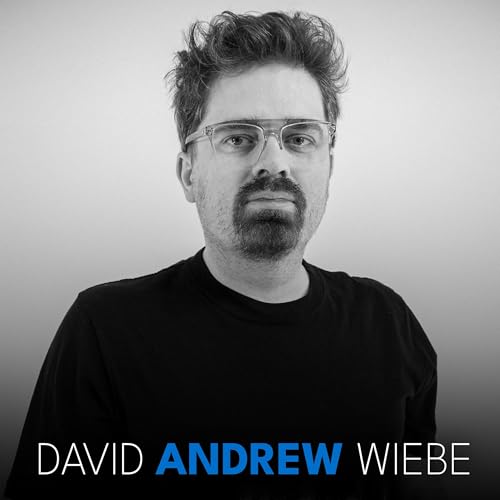
    How would you like to see the Music Pro ’26 conference through the eyes of an attendee? Well, you’re in luck, because while in Hollywood, CA, at the Musicians Institute, David caught up with Linda Blaise to have her share about her experience at Music Pro ’26, the sessions, the celebrity musicians, her takeaways, and more. Be sure to take a moment to thank her for her time! In This Episode: The truth about music royalties How “professional” Music Pro ’26 conference really was The cool thing that happened at Paul Reed Smith’s session The qualities that Grammy Award-winning musician and producer Erick Walls exudes What Linda would like to see at future Music Pro conferences What the ideal release schedule is Why Linda believes people need time to absorb your new music Key Resources: Kit: email marketing platform for creators The Music Pro ’26 Conference David attended the Music Pro ’26 conference from March 27 through 29, 2026 at the Musicians Institute in Hollywood, CA. While there as a “token interviewer,” he had the opportunity to connect with Justin Longo, Mitch Glazier, and Tiamo De Vettori, among others. The sessions were wide ranging. Here are but a few of the highlights: Opening keynote with Steve Vai (interviewed by BandLab’s Kevin Breuner) Paul Reed Smith’s session on Rhythm, Melody, and Harmony (featuring Tim Pierce, Curt Bisquera, and Alex Al What the Music Directors Want with Dory Lobel Stop Chaing Viral. Start Building a Career with Kevin Breuner The TikTok Wizardry of Kira Lise presented by Shure A Fireside Chat on Digital Distribution with DistroKid’s Mike Fink Closing keynote with T Bone Burnett With concurrent sessions, there was no way for David to attend all or meet everyone, but his coverage of the conference is one-of-a-kind. Conferences will be eager to hire David to interview attendees, staff, organizers, volunteers, celebrities, and panelists in the future, to capture the authenticity and aliveness of their events. You’re Invited to Subscribe! Thanks for tuning in. If you enjoyed this episode of The David Andrew Wiebe Show, we have more on the way. Please take a moment to subscribe. You will receive weekly email notifications about new episodes, along with other powerful music career tools to take your passion beyond.
    Show More Show Less
    15 mins
  • Keynote Concerts with Tiamo De Vettori
    Jun 19 2026
    What if you could make $15,000 per gig, without being a celebrity, without being polished, without even having to build your own audience? In this episode of The David Andrew Wiebe Show, David passes the mic with Musicpreneur Academy’s Tiamo De Vettori at the Musicians Institute in Hollywood, CA, at the Music Pro ’26 conference. Covering the unique concept of keynote concerts, Tiamo introduces an exciting opportunity to play at conferences for an adoring, supportive audience and earn a substantial income. In This Episode: Tiamo’s story of struggle and burning out on endless gigging Why keynote concerts offer disproportionately higher income Why singing and speaking are the unique value proposition Why you don’t have to become a celebrity to command higher fees Why Tiamo believes anyone could get started with keynote concerts Why being relatable is more important than trying to be a polished speaker How Tiamo realized he could teach other musicians how to do keynote concerts How keynote concerts lead to diversified income streams The surprising leap the conference market is set to make in the next two to three years What Tiamo and David both believe about the value of human connection moving forward Why starting small is a valid option, especially if you’re validated Key Resources: thrivingmusician.com: Tiamo’s free webinar Tiamo Keynote Concerts: See Tiamo in action Kit: email marketing platform for creators The Advantages of Keynote Concerts Here’s how keynote concerts compare to the grind-it-out traditional model most independent artists find themselves pursuing: You can earn $15,000+ per conference for an hour of work You can inspire a captive audience with your stories and music You get the celebrity/rock star treatment as a keynote speaker You don’t have to be a celebrity to play conferences You don’t have to be a polished speaker (this could actually inhibit engagement) On top of the fee you’re paid as a keynote speaker, there are opportunities to earn from album sales, merchandise sales, custom songs, private concerts for VIP guests, and sync licensing opportunities One keynote concert per month could help you earn a great living The conference market makes $890 billion annually, but is projected to grow to $2 trillion in the next two to three years It’s currently a low-competition space The conference market makes $890 billion annually, but is projected to grow to $2 trillion in the next two to three years.Share on X You’re Invited! Thanks for tuning in. If you enjoyed this episode, we have more on the way. Please take a moment to subscribe to the show. You will receive weekly email notifications, along with other powerful music career tools to take your passion beyond.
    Show More Show Less
    17 mins
  • Authentic, Connected Relationships with Sunavana Grace
    Jun 12 2026
    Now for something a little different… While at Music Pro ’26 in Hollywood at the Musicians Institute, David caught up with his friend and collaborator Sunavana Grace (of S.H.I.N.E. TV Global Network) to talk about relationships and love. Whether you’re in a relationship now or want to be, this episode of The David Andrew Wiebe Show offers an opportunity for you to reflect on how you’re connecting with yourself, your significant other, and the world. In This Episode: The spontaneous California adventure Sunavana went on Musician Institute’s proximity to Hollywood Boulevard Sunavana’s collaboration with Andrew Michael Houghton of Extraordinary Men’s Network The funny thing Andrew did while going live on Zoom The biggest challenge people are facing in relationships How uncovering your true self is the pathway to love Why Sunavana left her husband Why Sunavana believes forgiveness is the hardest part How time plays a role in getting to know someone How you can end up repeating relationship patterns you don’t recognize Key Resources: Spark Infinity S.H.I.N.E. TV Global Network Extraordinary Men’s Network Kit: email marketing platform for creators Key Insights from Sunavana Here’s a recap of some of the insights Sunavana shared with us regarding relationships: (Remember – you can just as easily apply this to band communication, pitching to bloggers, asking for the gig, etc. Doing internal work can also help prepare you for new opportunities.) Believe in Love Many people feel like they’ve been burned and have a hard time believing that they can love again. Working through childhood challenges and trauma can help you remove the masks you’ve been wearing (to survive) and drive down to the core of who you are. Forgiveness is Key Forgive others. But also forgive yourself for being the kind of person who attracted, or said “yes” to someone you regret saying yes to. As Sunavana adds, unforgiveness is like drinking poison, and forgiveness is like drinking the remedy. Communication Improves Through Time Together It can be hard to read someone when you’re first getting to know them. But quality time can help you learn their idiosyncrasies, which may not be the red flags you’ve envisioned them to be. You’re Invited! Thanks for listening. If you enjoyed this episode, you’ll be pleased to know we have more on the way. Please take a moment to subscribe to the show. You will receive weekly emails notifying you of the latest episodes.
    Show More Show Less
    19 mins
  • AI and the Music Industry with Mitch Glazier
    Jun 5 2026
    Does AI pose an existential threat to artists and humanity? Does it spell certain doom for original creativity? Are there any legal protections or policies going into place to protect the independent creator? In this episode of The David Andrew Wiebe Show, David wrangles RIAA CEO Mitch Glazier into a conversation at Music Pro ’26 about AI technologies and their broader implications for artists and the music industry. In This Episode: What the RIAA has identified as the major issues surrounding AI How AI disclosure is becoming essential Why Mitch feels AI represents a major opportunity for artists Why the AI literate will be positioned to take advantage of more opportunities How the music industry has adapted and thrived through multiple significant shifts Why AI policy is crucial for protecting creatives, especially now What Mitch thinks of David’s MRCT framework Why the fans are in control and how to avoid an authenticity backlash How Mitch describes the artist model for 2026 Why David doesn’t believe in outsourcing his brain to AI How Hypebot suggests creators utilize AI (great quote!) Key Resources: Recording Industry Association of America: advocating for the music ecosystem through policy Kit: email marketing platform for creators David’s Best Tips for Leveraging AI AI can be a blessing or a curse (or both, or even something in between) based on your understanding and context of how it works. And this isn’t something we can get across in a paragraph. What we can offer, however, is a high-level view of how you can effectively leverage AI in your creative work. Here’s David’s framework: Study Prompt Engineering If you want to get better outputs from AI chatbots, you must speak their language. That’s the essence of prompt engineering. You don’t necessarily need to become a professional prompt engineer. Taking a couple of Udemy courses should prove more than enough to get started. Subscribing to newsletters like Superhuman AI for ongoing inspiration. Experiment Broadly Before wholesale adopting and implementing AI in your ecosystem, experiment. Try a variety of things, from researching relevant topics to analyzing a dataset. AI is seductive in its appeal. But you can’t look at its work through rose-tinted glasses, or you will be in danger of believing everything it does is great. Reality check – it isn’t. You’ve got to push its limits and question its outputs. Notice what it does well and notice where it fails. Then, learn how to steer it towards useful generations. This part doesn’t come together overnight. Experiment broadly, and make level-headed observations. Determine Where AI is Most Useful and Effective Also see the previous point. As you experiment, identify where AI can be of productive assistance to you. This will vary from creator to creator, but it’s crucial to determine where it can and cannot provide efficiencies before committing to its outputs. David uses a mix of tools to create social media posts, podcast transcripts, short videos (clips), podcast show notes drafts, and more. But he doesn’t use AI for any of his writing. Create Frameworks Creating repeatable processes makes it possible to generate more consistent and predictable results. Using the same chat for the same tasks is a good start, but crafting a prompt that works every time is the real flex. Document and store the frameworks that boost your efficiency and make your life easier. Establish a Central Repository While AI can go beyond your prompt and search the web for additional information, it still hallucinates and digs up useless and inaccurate reference points. A better strategy is to create a central repository (in Google Drive) for key contextual information (style guides, audience research, frameworks, etc.) and give your AI model access to this information. Keep in mind, though, that you need to keep your repository up-to-date, or chatbots will assume earlier context. Be the Final Reviewer and Decisionmaker There are things AI can provide and those it cannot. This James Schramko video explains it very well: To summarize, AI can provide structure, discipline, consistency, and speed. But you’re the only one who can provide taste, context, authority, experience, and final calls. Whatever you’re generating, use your filter of taste, context, authority, experience and final calls to improve outputs. Be Real Disclose AI use. Let people know when and where you’re utilizing it, especially where it’s likely to become a legal requirement (e.g., creator platforms). AI hate is strong and growing. You have nothing to gain and everything to lose by hiding your use of AI. AI hate is strong and growing. You have nothing to gain and everything to lose by hiding your use of AI.Share on X And if you’re still one of the real ones creating real content, be proud of this fact and let your audience know. You’re Invited! Thanks for listening. How would you like to keep up-to-date with the podcast?...
    Show More Show Less
    13 mins
  • Music Prediction Markets with Justin Longo
    May 29 2026
     Have you ever thought about predicting music trends and earning income from them? Perhaps not, because this is still an emerging idea. But it’s a very interesting one, particularly for independent artists looking to diversify their income streams. In this episode of The David Andrew Wiebe Show, David catches up with Justin Longo of MarinNation in Hollywood, CA, while attending the Music Pro ’26 conference. Besides getting an update on Justin’s progress on his still-in-development skill-based music prediction market platform, the two also touch on how AI is changing the music industry landscape and strategies modern artists can adopt to ensure their human advantages are properly leveraged. In This Episode: What Justin noticed about David after meeting him for the first time How MariNation shifted from an investment platform to a skill-based music prediction platform (and what that means) The real story behind Justin’s entrepreneurial and musical journey How Justin suggests supporting yourself while growing your hustle The secret formula David learned from Andrew Dubber David’s framework for human-driven independent music success Justin’s experiments with TikTok and what it has taught him about content volume Why Justin believes people will never buy music again What Steve Vai said about utilizing AI in music How David views current news headlines concerning AI developments The contentious ideas David thinks musicians need to start “shaking hands” with Key Resources: MariNation: Justin’s music prediction platform Kit: email marketing platform for creators David’s MRCT Framework for Human-Driven Independent Success The MRCT Framework lays out the advantages that humans have over AI. Now that AI can produce convincing-sounding pop music, which creates a new skill floor for musicians, musicians must emphasize human connection. This framework, of course, could work with the assistance of AI. But that part is key – with the assistance of. Use AI to enhance working processes and scale viable opportunities, not enhance mistakes and scale insanity. M – Message The core of your artistic identity. What do you stand for? What are you about? What’s your mission? These might not be easy questions to answer, but the sooner you can figure this out, the sooner you can organize your activity around a singular purpose. Your Message should drive your brand, your image, everything you do. It should inform your musical choices, lyrics, stage costumes, merchandise, and fan conversations. A great band without a message might make great music, but that’s not a differentiator or a competitive advantage. Plenty of artists make great music. What will attract people to you is a meaning they can rally behind. R – Relationship A fan base grows stronger through Relationship. People want to feel like they belong. They want to feel like they’re part of a movement. They want to feel good about themselves and to share that with like-minded others. You can offer this to your fans, particularly in the early going. You can learn everyone’s names, send them a text every week or two, maybe even organize a wings night now and then. Read How to Win Friends and Influence People while you’re at it. It will help! C – Community At some point, Relationship will become unscalable. It’s still a good idea to get to know your fans and stay connected to them, to the extent possible, but at some point, you’ll need to transition to building your Community. You can introduce new fans to old fans. Heck, you can make your old fans the leaders of the community. You can teach and instill in them in the values that built the culture. And you can start doing things that will scale for a long time to come – play birthday parties, organize album signings, do live streams. T – Taste-making You can introduce your fans to things you enjoy. They are bound to trust your recommendations, and assuming you share quality things, they will keep returning to you for more. This positions you as the go-to person for entertainment and fun. People will want to talk to you, just because you know about the coolest lounges, restaurants, bookstores, and so on. This will also lead to more gigs, because people will want to book you for their personal events. AI can only make suggestions. You can be a tastemaker! You’re Invited! If you want to keep up with podcast updates and support the show, please take a moment to subscribe. You will receive weekly emails notifying you of the latest.
    Show More Show Less
    24 mins
  • 100 – Unclogging Your Creative Flow: Why Tying Up Loose Ends Unlocks Opportunities
    Aug 16 2025
    Have you ever felt like you're spinning your wheels creatively, unable to move forward despite having talent and ideas? Do you find yourself surrounded by half-finished projects, unopened mail, and organizational chaos that somehow feels manageable but might actually be holding you back? Perhaps you've dismissed the importance of "getting organized" as something that doesn't really affect your creative output—after all, you know exactly where that important document is in the third pile from the left, halfway down. In this practical and eye-opening episode of Creativity, Excitement, and Emotion, David explores the often-overlooked connection between tying up loose ends and creative breakthroughs. Drawing from his current experience of managing a move, car repairs, client projects, and the concept of "vibrational escrow," he reveals how uncompleted tasks and disorganization can literally block opportunities from flowing into your life. Whether you're struggling with creative blocks, feeling overwhelmed by commitments, or simply wondering why success feels elusive despite your efforts, this episode provides both the framework and motivation needed to clear the energetic and practical clutter that may be standing between you and your next breakthrough. Sponsors: Productivity, Performance & Profits Blackbook: Get a free copy of the “Definitive Guide to Productivity for Entrepreneurial Artists.” Get coaching: Stuck in your creative career? Not sure what to do next? Want to take things further? Book your personalized coaching session with David today. Highlights: 00:17 – Tying up loose ends 01:23 – Why organization matters 03:40 – David’s current loose end inventory 10:00 – What David has learned and discovered on this journey 19:43 – Closing thoughts Summary: In this practical and revealing episode, David delves into the often-overlooked connection between organization and creative success. Through his personal experience of managing multiple loose ends—from car repairs to moving to client projects—he demonstrates how incomplete tasks and disorganization can actually block opportunities from manifesting in your creative career. Key Themes & Takeaways The concept of "vibrational escrow" and how incomplete tasks block incoming opportunities Why top performers tend to be highly organized and how this affects creative output The mental clarity that comes from reducing commitments and completing projects How delegating to experts frees up creative energy for higher-value activities The surprising connection between physical organization and new opportunity flow The Vibrational Escrow Principle David introduces a compelling concept about how incomplete tasks affect our ability to receive new opportunities: The idea that certain things are "waiting for you" but require completion of current tasks to arrive How unfinished projects occupy mental space and block creative flow Why defining when something is "done" is crucial for moving forward The importance of unclogging your system to allow new opportunities to flow "When you don't flow things out, it does affect your ability to create, attract, and manifest what is already on its way... there's things that are for you, waiting for you, and they're gonna come to you at the right time, but that doesn't mean you don't have to do anything." This framework provides a compelling reason for addressing organizational challenges beyond simple productivity benefits. David's Current Loose Ends Inventory To illustrate the principle, David shares his actual current list of items requiring completion: Car repairs and maintenance – delegating to automotive experts rather than ignoring warning signs Moving logistics – relocating within the Vancouver area with minimal possessions but strategic planning Furniture acquisition – purchasing only essentials (bed, desk, office chair) for the new space Current rental cleanup – hiring professional cleaners rather than doing it himself Project management – completing client work while passing some projects to qualified beginners File organization – addressing physical mail and documentation systems Accounting maintenance – implementing regular bookkeeping rather than annual rushes This practical inventory demonstrates how even successful creators accumulate loose ends that require systematic attention. The Expert Delegation Strategy David emphasizes the importance of delegating tasks outside your zone of genius: Why hiring professional cleaners makes more sense than doing it yourself How automotive expertise prevents costly mistakes and ensures quality work The recognition that managing people may not be everyone's entrepreneurial strength The value of identifying your weaknesses and finding others who excel in those areas "I'm delegating responsibility to a capable expert... It's generally not the best and highest use of my time and energy. And so, it is much better in the hands of an expert who I know ...
    Show More Show Less
    21 mins
  • 099 – When Music Chooses You: Recognizing Success and Embracing Unexpected Opportunities
    Aug 2 2025
    Have you ever felt like you've been pushing and striving for opportunities in your creative career, only to find that your biggest breakthroughs came when you weren't actively chasing them? Do you sometimes struggle to recognize your own accomplishments because you're so focused on what you haven't achieved yet? Perhaps you've wondered why some artists seem to effortlessly attract the right opportunities while others work tirelessly with little to show for it. In this deeply reflective episode of Creativity Excitement Emotion, David shares how music is unexpectedly making a comeback in his life, not through force or relentless pursuit, but by choosing him when the conditions were finally right. Drawing from his journey of building financial stability through his tech contract and growing Spark Infinity to nearly 2,000 members, he explores the crucial difference between opportunities you chase and those that find you when you're ready. Through honest reassessment of his previous music career and practical insights about finding mentors who've already achieved what you want, David offers both validations for non-linear creative paths and actionable guidance for recognizing success when it's staring you in the face. Sponsors: Productivity, Performance & Profits Blackbook: Get a free copy of the “Definitive Guide to Productivity for Entrepreneurial Artists.” BUMP Global TV: Want to join a growing network of heart-centered entrepreneurs exploring and creating new opportunities together? Check out BUMP. Get coaching: Stuck in your creative career? Not sure what to do next? Want to take things further? Book your personalized coaching session with David today. Highlights: 00:17 – Documenting the journey 00:53 – Hard lesson learned 03:19 – Being chosen 04:41 – Reflecting on a music career that was buried in a shallow grave 08:47 – The revival of a music career 14:24 – Tying up loose ends 16:54 – Excited for what’s to come 18:10 – Recognizing your successes 21:23 – One step you can take to shortcut years of anguish Summary: In this reflective episode, David shares how music is unexpectedly making a comeback in his life, arriving not through force or planning but by choosing him. Through candid self-assessment, he explores the lessons learned from his previous music career, the importance of recognizing actual accomplishments amid failures, and why finding mentors who've already achieved what you want is crucial for avoiding years of guessing and reverse-engineering. Key Themes & Takeaways The difference between forcing projects and allowing opportunities to choose you How financial stability and having a home base enable better decision-making about creative opportunities The importance of taking a "sober" view of past accomplishments rather than dwelling on perceived failures Why skipping the step of finding mentors or proven methods leads to years of inefficient guessing The reality that success comes from what you do with failures, not from avoiding them entirely The Foundation Lesson David begins by reinforcing a crucial life lesson learned through a difficult experience: The necessity of having both a home base and financial stability for life to function well How his current big tech contract and Spark Infinity success provide the foundation for better choices The distinction between people who can thrive as nomads (with family safety nets) versus those who need more stability Why some people require different structural supports to be creative and productive "If I don't have a place to call home, and if I don't have some kind of financial stability... my life tends to spiral out of control. And for some people, I'm telling you, that's not the case... But I think what I've learned for myself... is if there's no home to go back to and my financial life is variable at best, things do tend to spiral out of control." This foundational insight provides context for understanding how different people require different conditions to thrive creatively. Things Choosing You vs. You Choosing Things David explores a fascinating shift in how opportunities have been presenting themselves: The contrast between actively choosing projects that didn't work out and being chosen by opportunities that flourished How the big tech contract and Spark Infinity both "chose" him rather than being pursued The growth of Spark Infinity from 4-5 members to over 1,900 in seven months Why sometimes the best opportunities come when you're not actively seeking them "In the last year and a half or so, really what I've noticed is instead of me choosing things, things are choosing me... the things I've chosen didn't necessarily go anywhere or didn't do that well... what I can say about things that have chosen me that have worked well is, of course, the big tech contract and Spark Infinity." This observation challenges the conventional wisdom about always being proactive in pursuit of opportunities. The Music Career ...
    Show More Show Less
    26 mins
  • 098 – When Projects Turn Toxic: Navigating the Integrity vs. Self-Preservation Dilemma
    Jul 19 2025
    Have you ever enthusiastically committed to a project that gradually revealed itself to be a frustrating, poorly managed nightmare? Do you find yourself torn between honoring your commitments and protecting your mental health when collaborative work turns toxic or simply exhausting? Perhaps you've wondered whether persisting through difficult projects builds character, or if knowing when to walk away is actually the wiser choice for your creative career and personal well-being. In this candid episode of Creativity Excitement Emotion, David shares his real-time experience with an education reform project that started with noble intentions but quickly devolved into the kind of volunteer work that leaves participants feeling deflated and questioning their involvement. Through honest reflection on what makes projects turn sour—from poorly defined tasks to unrealistic time expectations—he explores the tension between maintaining integrity through commitment and practicing self-preservation by setting boundaries. Whether you're currently stuck in a project that's draining your energy or simply want to better navigate future collaborative commitments, this episode offers both the framework and permission needed to make decisions that honor both your professional relationships and your personal well-being. Sponsors: Productivity, Performance & Profits Blackbook: Get a free copy of the “Definitive Guide to Productivity for Artists and Entrepreneurs.” Highlights: 00:17 – Projects that suck 02:59 – The situation 12:27 – Backing out 17:38 – Character and integrity 21:39 – Closing thoughts Transcript: In this deeply personal episode, David explores the challenging territory of projects that start with good intentions but gradually reveal themselves to be draining, poorly managed, or outright toxic. Drawing from his current experience with an education-focused volunteer project, he examines the tension between maintaining integrity through commitment and protecting your well-being by knowing when to walk away. Key Themes & Takeaways The inevitable reality that everyone will encounter projects that initially inspire but eventually disappoint The distinction between projects that merely "suck" versus those that are genuinely toxic How character and integrity factor into decisions about following through on commitments The importance of protecting your mental health while maintaining professional relationships Why clear task definition and reasonable expectations are crucial for volunteer projects The Education Project Reality Check David begins by sharing his involvement in an education reform project that exemplifies how good intentions can lead to frustrating experiences: His genuine passion for education system reform and supporting teachers The volunteer nature of the work with minimal tangible rewards beyond testimonials How the project atmosphere gradually shifted from inspiring to deflating The realization that other team members were experiencing similar frustrations "I went into this feeling pretty good, and then after a few meetings, kind of started to feel deflated and, ‘oh, no, is this going to be one of those?’ At first, I really just thought it was me... After meeting number three or four, other people started complaining and leaving.” This candid assessment demonstrates how even well-intentioned projects can become problematic when fundamental management issues arise. The Anatomy of Project Deterioration David identifies specific factors that can poison otherwise worthy projects: Excessive rigidity and structure that removes the fun and inspiration from volunteer work Poorly defined tasks that leave team members confused about expectations and deliverables Leadership that fails to break down complex actions into manageable time commitments Unrealistic assumptions about how much time volunteers will dedicate to unpaid work "A lot of the weekly tasks are not well-defined. So, there are many missing pieces... clearly the leader is not totally clear on the steps there... it would have been beneficial to take some time to break down these actions and tasks into smaller pieces that are manageable and relatively easy to do." This analysis provides valuable insight for both project leaders and participants about what makes collaborative work sustainable. The Dan Kennedy Philosophy David introduces a practical framework for evaluating problematic commitments: The "three-day rule" – if you wake up thinking about a project negatively for three consecutive days, something is wrong How this principle, originally applied to client relationships, extends to any collaborative commitment The importance of communicating concerns before reaching the breaking point Why addressing issues directly often leads to constructive solutions "I stand by what Dan Kennedy said about clients, which is basically, if I wake up thinking about you more than three days in a row and I'm not sleeping with you, ...
    Show More Show Less
    23 mins