• The Best Fruit Trees for Beginners in Zone 9: Backyard Orchard Guide
    Jul 14 2026

    Want to grow your own fruit but not sure where to start? In this episode of The Compost Pile, we break down the best fruit trees, berries, and citrus varieties for Southeast Texas and other Zone 9a gardens.

    Whether you're building a backyard orchard, growing food on a suburban lot, or trying to maximize production in a small space, understanding chill hours, pollination requirements, tree size, and variety selection can make the difference between harvesting fruit and growing an expensive ornamental tree.

    In this episode, we discuss:

    • The best fruit trees for beginners

    • Backyard orchard planning for small spaces

    • Growing fruit in Zone 9a and Southeast Texas

    • Chill hours explained

    • Self-pollinating vs cross-pollinating fruit trees

    • The truth about big box store fruit trees

    • Best citrus trees for Texas gardens

    • Growing blueberries, blackberries, apples, pears, peaches, plums, and avocados

    • Dwarf fruit trees and container gardening

    • Fruit tree varieties that actually produce in warm climates

    • Common fruit tree mistakes homeowners make

    We also share our top recommendations for homeowners looking to create a productive edible landscape that provides fresh fruit year after year.

    If you're interested in homesteading, food security, backyard gardening, sustainable living, growing your own food, edible landscaping, fruit tree care, citrus growing, or creating a backyard orchard, this episode is packed with practical advice for getting started.

    Subscribe to The Compost Pile for weekly gardening tips, homesteading advice, fruit tree growing guides, vegetable gardening, composting, pollinator gardening, and everything you need to grow successfully in Zone 9a and the Gulf Coast region.

    #FruitTrees #BackyardOrchard #Zone9aGardening #TexasGardening #GrowYourOwnFood #Homesteading #CitrusTrees #Blueberries #Blackberries #EdibleLandscaping #GardeningPodcast #TheCompostPile

    Show More Show Less
    29 mins
  • Stop Fighting Your Garden: Here's What to Do Next
    Jul 14 2026

    Is your garden looking tired, stressed, or downright apocalyptic in the middle of summer? In this episode of The Compost Pile, David and Aaron discuss one of the hardest lessons for gardeners to learn: knowing when it's time to let go of declining crops and start planning for what's next.

    We cover how to identify when tomatoes, cucumbers, herbs, and other spring vegetables have reached the end of their productive season, why holding on too long can limit your garden's success, and how Southeast Texas gardeners can take advantage of a second warm-season planting window.

    You'll learn:

    • When to remove struggling summer vegetables

    • How Zone 9a gardening seasons differ from traditional growing zones

    • Why fall gardening in Southeast Texas starts much earlier than most people think

    • Which crops can be replanted for a second harvest

    • How to refresh garden soil between planting seasons

    • Tips for starting fall tomatoes, peppers, cucumbers, squash, and more

    • Direct sowing recommendations for lettuce, broccoli, carrots, beets, radishes, and other cool-season crops

    • Ways to use shade cloth, companion planting, and mulch to improve fall garden success

    Southeast Texas Planting Guide:

    https://drive.google.com/file/d/12C-g-bN81UGhXUKeNeJrHRAL3FKTlyvr/view?usp=sharing

    If you're gardening in Southeast Texas, the Gulf Coast, or any warm-climate growing region, this episode will help you transition from summer garden cleanup into a productive fall vegetable garden.

    #TheCompostPile #Zone9aGardening #TexasGardening #FallGarden #VegetableGardening #RaisedBedGardening #GardeningTips #Homesteading #GardenPlanning #GrowYourOwnFood

    Show More Show Less
    29 mins
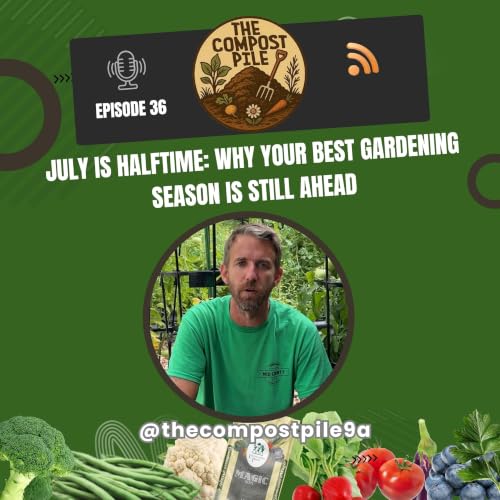
  • July Is Halftime: Why Your Best Gardening Season Is Still Ahead
    Jun 30 2026

    Many gardeners look at their beds in July and assume the season is winding down, but in Southeast Texas, some of the best gardening opportunities are still ahead. In this episode of The Compost Pile, David discusses common midsummer gardening mistakes, why July is more like halftime than the finish line, and how to start preparing now for a productive fall garden.

    Learn which plants are worth keeping, what warm-season crops can be planted for a second harvest, when to begin planning for fall vegetables, and how improving your soil now can pay dividends later in the year. Whether your tomatoes are struggling, pests are taking over, or you're wondering what comes next, this episode will help you make the most of the growing seasons we enjoy in Zone 9.

    Topics covered:

    • Common midsummer gardening mistakes
    • Second-round tomatoes, peppers, and other warm-season crops
    • Planning and timing for fall vegetables
    • Soil improvement and cover crops
    • Learning from successes and failures in the garden
    • Growing year-round in Southeast Texas

    The Compost Pile is a gardening and homesteading podcast focused on helping growers succeed in Southeast Texas and other warm-climate regions.

    Show More Show Less
    19 mins
  • Succession Planting 101: How to Harvest More and Waste Less in Your Garden
    Jun 23 2026

    Most gardeners make the same mistake: planting everything at the same time and then becoming overwhelmed when it all matures at once.

    In this episode of The Compost Pile, David sits down with Brent from Donna's Farm to break down succession planting and why it's one of the best ways to create a more productive, manageable, and sustainable garden.

    We discuss how staggering your plantings can extend your harvest season, reduce waste, improve pest management, and help you make the most of small gardening spaces. Whether you're growing squash, green beans, carrots, onions, lettuce, or brassicas, these simple strategies can help you harvest consistently instead of all at once.

    We also dive into crop rotation, squash vine borer management, vertical growing techniques, and how to better match your garden production to your family's actual needs.

    If you've ever found yourself buried in tomatoes or giving away bags of squash every summer, this episode is for you.

    Topics covered:

    • What succession planting is and why it matters
    • How to succession plant squash
    • Crop rotation basics for home gardeners
    • Managing squash vine borers
    • Growing more food in smaller spaces
    • Preventing garden waste
    • Planning your garden around what your family actually eats
    • Vertical growing strategies for increased production
    • Zone 9a gardening considerations

    The Compost Pile is a podcast focused on gardening, homesteading, and helping you become more successful growing in Southeast Texas and beyond.

    Show More Show Less
    33 mins
  • Small Farm Successes, Failures, and Gardening Wisdom with Brent Hieronymus of Donna's Farm
    Jun 16 2026

    In this episode of The Compost Pile, we sit down with longtime friend Brent Hieronymus of Donna's Farm to discuss the incredible journey of building one of Southeast Texas' most recognizable small farms.

    From producing over 1,000 pounds of tomatoes for local farmers markets to managing greenhouse production, experimenting with unique crop varieties, and ultimately transitioning away from farming, Brent shares honest insights about what it really takes to grow food at scale in Southeast Texas.

    We also dive into practical gardening topics that every home gardener can benefit from, including crop rotation, nematode management, beneficial insects, greenhouse growing, drip irrigation, choosing better plant varieties, and adapting to our challenging Gulf Coast climate.

    Whether you're a backyard gardener, aspiring market farmer, or simply curious about where your food comes from, this episode is packed with valuable lessons learned through years of trial, error, and experience.

    Topics covered:

    • The story behind Donna's Farm
    • Why small farming is so difficult in Southeast Texas
    • Growing tomatoes successfully in greenhouses
    • Crop rotation and soil health
    • Managing nematodes naturally
    • Beneficial insects and integrated pest management
    • Choosing better vegetable varieties for our climate
    • Farmers market challenges and opportunities
    • Water conservation and drip irrigation
    • Lessons every gardener should know
    • The importance of observing your garden daily

    If you enjoy practical, Zone 9a gardening content, be sure to subscribe and follow along.

    Show More Show Less
    52 mins
  • The Garden Is Talking Back (Part 2): Lessons From an Imperfect Garden
    Jun 9 2026

    Does a healthy garden have to look perfect? In this solo episode of The Compost Pile, David takes a walk through the garden to explore what plants are really telling us. From yellowing leaves and nutrient deficiencies to fungi, pest damage, caterpillar host plants, and sprawling tomato vines, we discuss why imperfection is often a sign of a thriving ecosystem—not a failing garden.

    Learn how to read visual clues from your plants, understand when action is needed (and when it's not), and build confidence as a gardener by focusing on function over appearance.

    Whether you're growing vegetables, flowers, or a backyard food forest in Southeast Texas or beyond, this episode will help you see your garden through a different lens.

    Topics Covered:

    • Reading plant health signals

    • Beneficial fungi in the garden

    • Tomato plant stress and production

    • Host plants for butterflies

    • Managing garden pests realistically

    • Building resilient soil ecosystems

    • Why perfection isn't the goal

    #Gardening #Zone9 #OrganicGardening #Tomatoes #SoilHealth #GardenPests #Homesteading #PollinatorGarden #Butterflies #TheCompostPile #SoutheastTexasGardening #GardenTips

    Show More Show Less
    16 mins
  • Backyard Transformation: Landscape Design Mistakes, Soil Health & Garden Planning Tips
    Jun 2 2026

    How do you turn a blank backyard into a beautiful, functional outdoor retreat?

    In this episode of The Compost Pile, David sits down with Justin Coshman to discuss the process of designing an outdoor space that is both inviting and practical. From drainage and soil preparation to tree placement, raised beds, pathways, pergolas, and plant selection, they explore the foundational decisions that can make or break a landscape project.

    Whether you're starting a vegetable garden, building a homestead, creating a backyard oasis, or redesigning your landscape, this conversation is packed with real-world lessons, mistakes to avoid, and tips for creating a space you'll actually enjoy spending time in.

    Topics Covered:

    • Landscape design fundamentals

    • Backyard garden planning

    • Soil health and raised bed preparation

    • Tree placement and shade considerations

    • Creating functional outdoor living spaces

    • Drainage and site preparation

    • Sustainable gardening practices

    • Plant selection and long-term planning

    • DIY landscaping tips

    • How to start your next garden project

    If you've been putting off your next outdoor project, this episode might be the motivation you need to finally get started.

    #Gardening #LandscapeDesign #Homesteading #BackyardGarden #GardenDesign #SoilHealth #RaisedBeds #DIYLandscaping #TexasGardening #Zone9a #OutdoorLiving #TheCompostPile #SustainableGardening #GardenPlanning #BackyardTransformation

    Show More Show Less
    45 mins
  • How to Build a Pollinator Garden That ACTUALLY Works: Flowers, Herbs & Beneficial Insects for Zone 9
    May 26 2026

    Want more butterflies, bees, hummingbirds, and beneficial insects in your garden? In this episode of The Compost Pile Podcast, David and Aaron break down how to intentionally design a pollinator garden that supports biodiversity, improves pollination, and creates a healthier ecosystem in your yard.

    We cover:

    • Why plant clusters matter
    • Best flower shapes for different pollinators
    • Native plants vs. non-native plants
    • Bloom timing and year-round color
    • Herbs that attract pollinators AND beneficial insects
    • Plants for hummingbirds, butterflies, bees, and more
    • How to design a beautiful, functional pollinator space in Zone 9

    Whether you grow vegetables, fruit trees, herbs, or ornamentals, adding pollinator-friendly plants can dramatically improve your garden’s health and productivity.

    Perfect for gardeners in Southeast Texas and other warm climates looking to create a thriving pollinator habitat naturally.

    #PollinatorGarden #GardeningPodcast #Zone9a #BeneficialInsects #ButterflyGarden #BeeFriendlyGarden #NativePlants #Homesteading #OrganicGardening #GardeningTips #TheCompostPile #Hummingbirds #Pollinators #SustainableGardening #GardenDesign

    Show More Show Less
    28 mins