• Raising Kids with Type 1 Diabetes: Practical Advice Every Parent Needs with Raquel Baron
    Jul 14 2026

    In this episode of the TCOYD Podcast, Dr. Steve Edelman is joined by Raquel Baron, founder of Type One Together, to discuss the challenges, triumphs, and everyday realities of raising a child with type 1 diabetes. Diagnosed herself at age five, Raquel combines her lived experience with years of supporting families through Type One Together, an organization that provides trusted resources, educational programs, and a nationwide network of trained babysitters for children with type 1 diabetes.

    Together, Dr. Edelman and Raquel explore the emotional side of diabetes that often goes beyond blood sugars. They discuss helping children navigate school, sports, friendships, burnout, and growing independence, while giving parents practical strategies to reduce fear, build confidence, and create a healthier relationship with diabetes. The conversation also covers diabetes technology, social media, Afrezza for children, community support, and why perfection should never be the goal.

    Whether you’re the parent of a newly diagnosed child or have been managing type 1 diabetes for years, this episode offers practical advice, reassurance, and reminders that children with diabetes can live full, active lives.

    ✨ Subscribe for practical diabetes management tips, technology updates, and treatment breakthroughs that help people with diabetes live healthier, more flexible lives.

    More diabetes resources:
    Website: tcoyd.org
    Blog: tcoyd.org/blog
    Podcast: tcoydthepodcast.transistor.fm
    Instagram: / tcoyd
    Facebook: / tcoyd

    Stay connected! Sign up for our monthly newsletter here!
    Support TCOYD's educational programs: tcoyd.org/donate

    ★ Support this podcast ★
    Show More Show Less
    33 mins
  • Inhaled Insulin Just Got FDA-Approved for Kids With Type 1
    Jun 29 2026

    In this episode of the TCOYD Podcast, Dr. Steve Edelman is joined by pediatric endocrinologist Dr. Anna Cymbaluk, along with Philip and his father Jim, to discuss the recent FDA approval of Afrezza inhaled insulin for children and adolescents living with type 1 diabetes. Dr. Cymbaluk served as an investigator on the INHALE-1 trial, while Philip participated in the study himself, providing a unique real-world perspective on what it is like to transition from injections to inhaled insulin, and Philip’s dad, Jim provided the parent perspective as well as addressed parental concerns that might have arisen.

    The conversation focuses on the INHALE-1 study and the unmet challenges that continue to exist around mealtime insulin dosing in pediatric diabetes care. Dr. Cymbaluk reviews the trial design, glucose outcomes, safety data, patient satisfaction findings, and the practical realities of introducing inhaled insulin into everyday diabetes management. Philip and Jim share how Afrezza impacted school, sports, social situations, and the day-to-day burden of diabetes, particularly around pre-bolusing, corrections, and avoiding multiple injections throughout the day.
    Dr. Edelman and Dr. Cymbaluk also explore how Afrezza is dosed, how inhaled insulin differs from injected insulin, who may be a good candidate, and where it may fit alongside pumps and automated insulin delivery (AID) systems. For families looking for more flexibility, fewer mealtime barriers, and another option in the diabetes toolbox, this episode provides an honest look at the benefits, limitations, and real-world experience of inhaled insulin in children and teens.


    Key Topics
    • The FDA approval of Afrezza for children and adolescents living with type 1 diabetes
    • The design and results of the INHALE-1 pediatric clinical trial
    • Patient satisfaction and quality-of-life outcomes from the study
    • The challenges of pre-bolusing and mealtime insulin management in children and teens
    • How inhaled insulin compares to traditional mealtime injections
    • Dosing strategies, cartridge sizes, and insulin conversion considerations
    • Using Afrezza for corrections, meals, and post-meal dosing
    • The role of continuous glucose monitoring (CGM) when using inhaled insulin
    • Safety findings, lung-function monitoring, and cough management
    • Who may be a good candidate for Afrezza—and who may not be
    • Benefits for active children, athletes, and those participating in sports
    • Social situations, injection avoidance, and reducing the burden of diabetes management
    • Using Afrezza alongside insulin pumps and automated insulin delivery (AID) systems
    • The importance of having more treatment options to individualize diabetes care

    Supported by an unrestricted educational grant from MannKind Corporation


    Subscribe for practical diabetes management tips, technology updates, and treatment breakthroughs that help people with diabetes live healthier, more flexible lives.

    More diabetes resources:
    Website: tcoyd.org
    Blog: tcoyd.org/blog
    Podcast: tcoydthepodcast.transistor.fm
    Instagram: / tcoyd
    Facebook: / tcoyd
    Stay connected! Sign up for our monthly newsletter here!
    Support TCOYD's educational programs: tcoyd.org/donate

    ★ Support this podcast ★
    Show More Show Less
    32 mins
  • Inhaled Insulin for Kids: Inside the INHALE-1 Trial
    Jun 15 2026


    In this episode of the TCOYD Podcast, Drs. Edelman and Pettus are joined by pediatric endocrinologist Dr. Jamie Wood, medical director of pediatric diabetes at Rainbow Babies & Children's Hospital and an investigator on the INHALE-1 trial, to discuss inhaled insulin in children and its place in pediatric practice.


    The conversation centers on the recent approval of Afrezza down to age six and what INHALE-1 actually demonstrated. Dr. Wood walks through the trial design, the A1C analysis, the FEV1 and pulmonary safety data, the weight and BMI findings, and the practical mechanics of dosing in a pediatric population. Rather than framing it as a replacement for injections or automated insulin delivery (AID), the discussion focuses on where this option fits, from the needle-averse newly diagnosed patient, to the teen trying to bolus discreetly during a 20-minute lunch period.

    Drs. Edelman, Pettus, and Wood also get into the clinical realities that shape real-world use: the 2:1 to 3:1 conversion versus subcutaneous insulin, the set-dose cartridges and how they reframe carb counting, a refined titration approach, side effects, and how inhaled insulin can be layered alongside pumps and AID. For a population where mealtime bolusing remains one of the most stubborn unmet needs, it is a grounded look at a new tool and the patients it may help most.


    Key Topics

    • The recent approval of inhaled insulin for children as young as six
    • How the INHALE-1 pediatric trial was designed
    • A1C results and what the primary endpoint analysis showed
    • Continuous glucose monitor (CGM) metrics across the two groups
    • Lung-function (FEV1) monitoring and pediatric safety
    • Weight and body mass index (BMI) findings
    • Why mealtime dosing is a leading unmet need in pediatric type 1 diabetes (T1D)
    • The set-dose cartridge approach and how it reframes meal sizes
    • A real-world titration method for inhaled insulin
    • Managing cough and other practical considerations
    • Needle phobia and the kids who struggle most with injections
    • Using inhaled insulin alongside automated insulin delivery (AID) systems
    • What's coming next, including a smaller cartridge dose and a new-onset trial

    This episode is supported by an unrestricted educational grant from MannKind Corporation.


    Subscribe for practical diabetes management tips, technology updates, and treatment breakthroughs that help people with diabetes live healthier, more flexible lives.

    More diabetes resources:
    Website: tcoyd.org
    Blog: tcoyd.org/blog
    Podcast: tcoydthepodcast.transistor.fm
    Instagram: / tcoyd
    Facebook: / tcoyd
    Stay connected! Sign up for our monthly newsletter here!
    Support TCOYD's educational programs: tcoyd.org/donate

    ★ Support this podcast ★
    Show More Show Less
    45 mins
  • MiniMed Flex, Dexcom G7 (15 Days) & Libre Instinct: What Type 1s Need to Know
    May 26 2026

    What diabetes technology is actually helping people right now—and how do you figure out what fits best into your life?

    In this 100th episode of the TCOYD Podcast, Dr. E and Dr. P are joined by diabetes nurse practitioner and educator Rachael Sood, founder of The Diabetes Collective, to talk through the latest updates in diabetes technology and what they’re seeing in real-world diabetes care.

    The conversation focuses on how much diabetes technology has changed over the past few years, from hybrid closed loop systems and CGMs to new developments in sensing and automation. Rather than focusing on one “best” device, the discussion centers around finding the right fit for each person’s lifestyle, preferences, and goals.


    Dr. E, Dr. P, and Rachael also talk about where technology may be headed next, including dual glucose and ketone sensors, more compatibility between pumps and CGMs, and the possibility of systems that require less hands-on work from people living with diabetes. The takeaway is encouraging: there are more tools and options than ever before, and diabetes technology continues to move toward making daily management simpler, safer, and more flexible.

    Key Topics
    • Choosing the right insulin pump and CGM
    • Tubed vs. tubeless pump systems
    • How lifestyle and personal preference shape technology choices
    • The latest updates in automated insulin delivery systems
    • Dexcom G7 10-day vs. 15-day sensors
    • Abbott’s dual glucose and ketone sensor technology
    • Medtronic’s newest technology developments
    • Real-world conversations patients have about wearing devices
    • Continuous ketone monitoring and DKA prevention
    • The future of fully closed loop systems
    • Why compatibility between pumps and CGMs matters
    • Technology options for people with type 2 diabetes
    • Where diabetes technology may be headed next

    ✨ Subscribe for practical diabetes management tips, technology updates, and treatment breakthroughs that help people with diabetes live healthier, more flexible lives.

    More diabetes resources:
    Website: tcoyd.org
    Blog: tcoyd.org/blog
    Podcast: tcoydthepodcast.transistor.fm
    Instagram: / tcoyd
    Facebook: / tcoyd

    Stay connected! Sign up for our monthly newsletter here!
    Support TCOYD's educational programs: tcoyd.org/donate

    ★ Support this podcast ★
    Show More Show Less
    40 mins
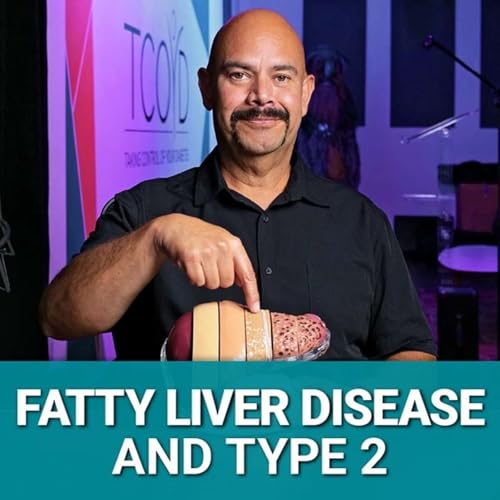
  • Fatty Liver Disease and Type 2 Diabetes
    May 11 2026

    What if something was going on with your health and you didn’t feel any symptoms at all? Could it be metabolic dysfunction-associated steatohepatitis (MASH)? In this episode, Dr. Steve Edelman and Dr. Jeremy Pettus talk about fatty liver and MASH, a condition that can develop quietly but still has a real impact over time. They’re joined by patient advocate Manuel Oliver, who shares his experience after being diagnosed and what helped him turn things around.


    They explain why fatty liver is so common, especially in people with metabolic conditions, and why it often goes unnoticed. The conversation also highlights how things can change over time, even when you feel okay, and why routine checkups matter.

    Manuel shares what it was like to hear his diagnosis, how it affected him, and the steps he took to improve his health. You’ll also hear how care has evolved, including better ways to detect liver disease and more options to support treatment alongside lifestyle changes.

    The message is simple: this condition can be serious, but there are ways to manage it, and taking action can make a meaningful difference.

    ✨ Subscribe for practical diabetes management tips, technology updates, and treatment breakthroughs that help people with diabetes live healthier, more flexible lives.

    More diabetes resources:
    Website: tcoyd.org
    Blog: tcoyd.org/blog
    Podcast: tcoydthepodcast.transistor.fm
    Instagram: / tcoyd
    Facebook: / tcoyd

    Stay connected! Sign up for our monthly newsletter here!
    Support TCOYD's educational programs: tcoyd.org/donate

    ★ Support this podcast ★
    Show More Show Less
    30 mins
  • Breaking Down Gluten: Understanding Intolerance & Celiac Disease
    Apr 27 2026

    What does it really mean to be “gluten-free” and how do you know if it’s something you actually need?In this episode, Dr. Steve Edelman sits down with registered dietitian EA Stewart (aka The Spicy RD) to talk through the difference between celiac disease and gluten sensitivity, and why that distinction matters. They explain how celiac disease develops, why it’s often missed, and how it connects to other autoimmune conditions like type 1 diabetes.


    This conversation helps make sense of a topic that can feel confusing. Dr. E and EA walk through symptoms that go beyond digestion, the importance of getting tested the right way, and what it means to truly follow a gluten-free diet.
    They also talk about the day-to-day side of things—how to approach food, avoid cross-contamination, and build a way of eating that works in real life.
    The main takeaway: not everyone needs to avoid gluten, but if you do, understanding the reason behind it can make it a lot more manageable


    Key Topics
    • What celiac disease is and how it differs from gluten sensitivity
    • The role of genetics, triggers, and gluten exposure
    • Why celiac disease is often undiagnosed
    • Common and less obvious symptoms
    • The connection between celiac disease and type 1 diabetes
    • How to properly test for celiac disease
    • Why you need to be eating gluten before testing
    • What a gluten-free diet actually looks like
    • Naturally gluten-free foods and better alternatives
    • Hidden sources of gluten in everyday foods
    • Cross-contamination and why it matters
    • Nutrient deficiencies and when supplements may help
    • Tips for eating out and traveling

    ✨ Subscribe for practical diabetes management tips, technology updates, and treatment breakthroughs that help people with diabetes live healthier, more flexible lives.

    More diabetes resources:
    Website: tcoyd.org
    Blog: tcoyd.org/blog
    Podcast: tcoydthepodcast.transistor.fm
    Instagram: / tcoyd
    Facebook: / tcoyd

    Stay connected! Sign up for our monthly newsletter here!
    Support TCOYD's educational programs: tcoyd.org/donate

    ★ Support this podcast ★
    Show More Show Less
    33 mins
  • Type 2s - Start Here!
    Apr 6 2026

    What if a type 2 diabetes diagnosis could be the start of taking better care of your health—not the end of it?

    In this episode, Dr. Steve Edelman and Dr. Jeremy Pettus share their top 10 tips for people newly diagnosed with type 2 diabetes, with a focus on helping you feel informed, supported, and encouraged. They talk about why this diagnosis is not a personal failure, how much of it is connected to genetics and metabolism, and why early understanding can make a meaningful difference.

    The conversation is grounded, hopeful, and focused on what’s possible. Steve and Jeremy walk through simple, realistic steps that can help you feel more in control—without pressure to be perfect. They cover everything from understanding how your body works to building habits that fit into your everyday life, along with the growing number of tools and treatments that can support you along the way.

    The takeaway is clear: this diagnosis can feel overwhelming at first, but it can also be a turning point. With time, support, and the right approach, you can improve your health and continue living a full, active life.


    Key Topics
    • Why type 2 diabetes is not your fault
    • Understanding insulin resistance and disease progression
    • Why early action matters
    • Focusing on weight with realistic expectations
    • The role of GLP-1 medications in early treatment
    • Exercise and movement as part of daily life
    • Learning how food affects your body
    • Using blood sugar monitoring in a practical way
    • Taking medications consistently
    • Protecting your heart early
    • The importance of routine screenings and labs
    • Building a strong and supportive care team

    ✨ Subscribe for practical diabetes management tips, technology updates, and treatment breakthroughs that help people with diabetes live healthier, more flexible lives.

    More diabetes resources:
    Website: tcoyd.org
    Blog: tcoyd.org/blog
    Podcast: tcoydthepodcast.transistor.fm
    Instagram: / tcoyd
    Facebook: / tcoyd

    Stay connected! Sign up for our monthly newsletter here!
    Support TCOYD's educational programs: tcoyd.org/donate

    ★ Support this podcast ★
    Show More Show Less
    42 mins
  • Type 1 Diabetes Starter Kit You Need
    Mar 23 2026

    What does someone really need to know in the first days and weeks after a type 1 diabetes diagnosis?

    In this episode, Dr. Steve Edelman and Dr. Jeremy Pettus share the “starter kit” they wish every newly diagnosed person and family had from the very beginning. Both diagnosed with type 1 diabetes at age 15, Steve and Jeremy reflect on what has changed since their own diagnoses and walk through the practical advice, emotional reassurance, and foundational education that can make this transition a little less overwhelming.

    The conversation covers everything from the normal emotional reaction to a diagnosis, to the importance of early diabetes education, getting started with insulin, using CGM as soon as possible, and setting realistic blood sugar goals. They also talk about the honeymoon phase, how to keep doing the things you love, why support systems matter, how to find the right provider, and what newly diagnosed families should know about clinical trials and preserving beta cell function.

    This episode is a reminder that while a new diagnosis can feel like your world has been turned upside down, people with type 1 diabetes can live long, healthy, full lives—and that no one has to figure it all out alone.


    Key Topics

    • Why it’s okay to feel overwhelmed after diagnosis

    • The importance of diabetes education right away

    • Understanding the honeymoon phase

    • Basal and bolus insulin basics

    • Why CGM should be started early

    • Realistic A1C and time-in-range goals

    • Keeping up with the things you love

    • Involving family, friends, and support networks

    • Finding the right diabetes provider

    • Considering clinical trials after diagnosis

    • Food, carb counting, and keeping things simple

    • Staying positive and looking ahead

    ✨ Subscribe for practical diabetes management tips, technology updates, and treatment breakthroughs that help people with diabetes live healthier, more flexible lives.

    More diabetes resources:
    Website: tcoyd.org
    Blog: tcoyd.org/blog
    Podcast: tcoydthepodcast.transistor.fm
    Instagram: / tcoyd
    Facebook: / tcoyd

    Stay connected! Sign up for our monthly newsletter here!
    Support TCOYD's educational programs: tcoyd.org/donate

    ★ Support this podcast ★
    Show More Show Less
    37 mins