Science of sleep cover art

Science of sleep

Science of sleep

By: Science of sleep
Listen for free

🔬 Welcome to Science of Sleep — Where Neuroscience Meets Rest. 🌌✨Why do we dream? What happens to our brains when we turn off the lights? Science of Sleep is your ultimate guide to understanding the complex, fascinating, and vital biology of your nightly rest. We break down the data to help you achieve effortless, deep sleep. 🧬💤Step into our digital lab to explore:
  • 🧠 The Sleeping Brain: How brain waves ($Alpha$, $Theta$, $Delta$) shift as you drift into dreamland.
  • 📊 Sleep Architecture: Deep dives into REM cycles, circadian rhythms, and the chemistry of sleep (melatonin, adenosine).
  • 🌌 The Science of Dreams: Psychological and neurological breakdowns of why and how our minds construct dreams.
  • 🌿 Somatic & Biometric Sleep Aids: Practical, science-backed audio tracks, frequencies, and relaxation techniques designed to settle your nervous system.
Understanding your sleep is the first step to mastering your health, focus, and energy. If you love science, data, and waking up refreshed, you’ve found the perfect sanctuary. 🧪👁️✨ Subscribe now, sync your biological clock, and unlock the true potential of your rest. 🌟Copyright Science of sleep
Episodes
  • NASA Found Life on Mars... Then Cancelled the Mission to Prove It _ SLEEP SCIENCE
    Jun 24 2026
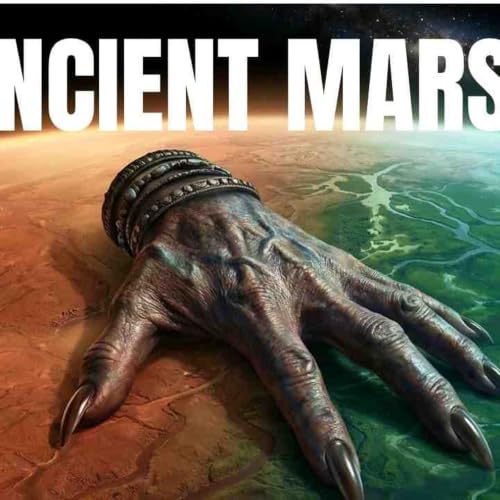
    The Perseverance rover may have already found evidence of ancient life on Mars, but the mission to bring those samples back to Earth has just been cancelled. What secrets are we about to lose forever?
    In this episode, we explore the fascinating and heartbreaking story of the Mars Sample Return mission. After years of planning and over $11 billion in estimated costs, NASA's ambitious plan to bring Martian rock samples back to Earth was officially cancelled in early 2026 due to congressional budget cuts. The Perseverance rover has already collected 33 meticulously sealed sample tubes, including the "Cheyava Falls" sample from an ancient riverbed that contains mineral deposits called "leopard spots" — a potential biosignature that closely resembles traces typically left by microbes on Earth. Scientists say that only advanced laboratories on Earth could definitively determine if these samples prove life once existed on the Red Planet. With the mission cancelled, the samples will remain on Mars indefinitely, and we may never know what precious secrets they hold. We examine the scientific community's reaction, the geopolitical implications as China advances its own sample return plans, and why this decision represents a turning point in space exploration. Subscribe and hit the bell for more stories where science meets mystery and discovery!
    Show More Show Less
    1 hr and 4 mins
adbl_web_anon_alc_button_suppression_t1
No reviews yet