Episodes

  • KDA EP 27: Mastering Customer Segmentation with KNIME Analytics Platform
    Jun 30 2026

    The process of conducting customer segmentation using the KNIME Analytics Platform, focusing on the K-Means clustering algorithm. The text explains how businesses can transition from generic marketing to personalized strategies by grouping clients based on shared behavioral patterns, such as spending habits and purchase frequency. It provides a detailed step-by-step workflow that covers data preparation, including cleaning, normalizing, and handling outliers, to ensure accurate results. Additionally, the source highlights the importance of statistical evaluation and visual profiling to transform abstract data into actionable business segments. Ultimately, the material serves as a practical manual for using low-code tools to enhance customer retention and optimize resource allocation.

    Show More Show Less
    22 mins
  • KDA EP 26: End-to-End KNIME Sales Data Analysis and Visualisation Workflow
    Jun 29 2026

    The KNIME Analytics Platform to execute a professional sales data analysis workflow. It outlines a systematic approach to transforming raw transaction records into actionable business intelligence through a series of structured steps, including data cleaning, standardization, and mathematical modeling. Users learn how to calculate vital performance indicators like revenue and profit margins while identifying key trends across products, regions, and customer segments. The text emphasizes a low-code environment, demonstrating how visual nodes and charts can reveal critical insights into market performance and operational efficiency. Ultimately, the guide serves as a practical roadmap for converting inconsistent data into organized, visualized results that support strategic corporate decision-making.

    Show More Show Less
    18 mins
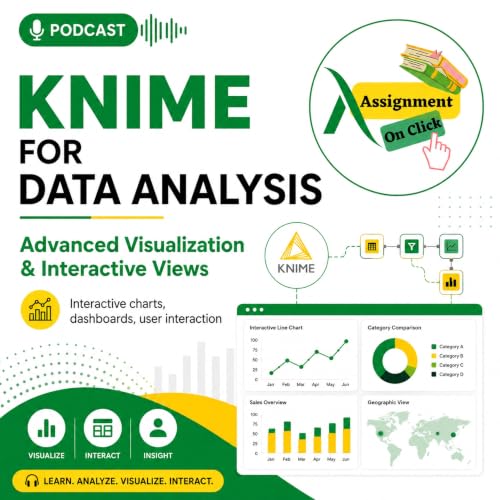
  • KDA EP 25: Building Interactive Dashboards and Visualisations in KNIME
    Jun 26 2026

    The process of developing advanced interactive dashboards and analytical applications using the KNIME Analytics Platform. It details how users can transform static data into explorative visualisations by combining various nodes, such as widgets for input and view nodes for graphical output. The guide explains the specific functions of different chart types, the necessity of rigorous data preparation, and the technical steps required to assemble these elements into a unified component. Furthermore, the source emphasizes user-centric design principles, such as logical layouts and the implementation of refresh controls for real-time data updates. By utilizing these tools, analysts can build coordinated interfaces that allow decision-makers to filter, sort, and investigate complex datasets without writing code. Final sections describe how these dashboards can be deployed as browser-based data apps for broader organizational use.

    Show More Show Less
    16 mins
  • KDA EP 24: Mastering Basic Data Visualization in KNIME
    Jun 25 2026

    The KNIME Analytics Platform to create and interpret fundamental data visualizations like bar, line, and pie charts. It emphasizes that successful communication depends on thorough data preparation, including cleaning, transforming, and aggregating raw information using specific nodes before generating visuals. The text outlines strategic criteria for selecting the right chart type to answer specific business questions regarding category comparisons, temporal trends, or proportional shares. Beyond technical execution, it advocates for visual storytelling, suggesting that analysts use clear titles and logical layouts to transform data into actionable insights. Finally, the source provides troubleshooting tips and best practices to help users avoid common errors, such as improper sorting or misleading scales.

    Show More Show Less
    17 mins
  • KDA EP 23: Mastering Trend Analysis and Time-Based Data in KNIME
    Jun 24 2026

    A comprehensive tutorial for performing descriptive trend analysis using the KNIME Analytics Platform. It outlines a structured workflow for transforming raw, time-based records into meaningful insights by focusing on date preparation, chronological sorting, and data aggregation. The guide explains how to identify key time-series components—such as trends, seasonality, and irregular variations—while distinguishing historical analysis from future forecasting. Practical steps are detailed for using specific nodes to calculate moving averages and period-to-period changes, which help smooth fluctuations and clarify data direction. Ultimately, the source serves as a technical roadmap for building a reliable visual workflow to interpret business patterns and recurring behaviors over time.

    Show More Show Less
    17 mins
  • KDA EP 22: सहसंबंध विश्लेषण और मैट्रिक्स व्याख्या मार्गदर्शिका
    Jun 23 2026

    सहसंबंध विश्लेषण (correlation analysis) और इसके व्यावहारिक उपयोग पर केंद्रित एक विस्तृत मार्गदर्शिका है। इसमें बताया गया है कि कोरिलेशन मैट्रिक्स के माध्यम से विभिन्न चरों के बीच संबंधों की दिशा और तीव्रता को कैसे समझा जाए। पाठक यहाँ पियर्सन और स्पीयरमैन जैसी गणना विधियों के बीच अंतर और परिणामों की सांख्यिकीय सार्थकता को पहचानने के तरीके सीख सकते हैं। यह आलेख इस बात पर विशेष बल देता है कि दो चरों का आपस में जुड़ा होना अनिवार्य रूप से कार्य-कारण संबंध (causation) को सिद्ध नहीं करता है। अंततः, यह मार्गदर्शिका डेटा की व्याख्या करने, त्रुटियों से बचने और शोध में सटीक निष्कर्ष लिखने के लिए एक व्यवस्थित रूपरेखा प्रदान करती है।

    Show More Show Less
    24 mins
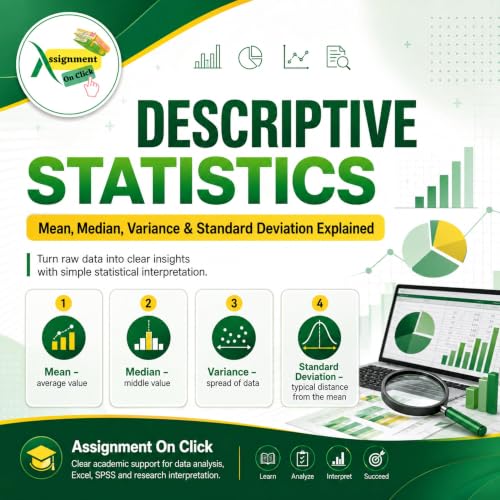
  • KDA EP 21: A Comprehensive Guide to Descriptive Statistical Analysis
    Jun 22 2026

    A comprehensive introduction to descriptive statistics, focusing on how to organize and interpret numerical datasets. It highlights central tendency through the mean and median, explaining when each measure best represents a typical value. The text also examines measures of dispersion, specifically variance and standard deviation, to illustrate how data points are spread around an average. Beyond formulas, the source emphasizes the importance of practical interpretation to ensure statistical results are meaningful within a specific business or research context. Ultimately, these tools allow analysts to transform raw data into clear, evidence-based insights while avoiding common errors like overclaiming significance.

    Show More Show Less
    29 mins
  • KDA EP 20: Mastering Data Aggregation with the KNIME GroupBy Node
    Jun 20 2026

    To performing data aggregation within the KNIME Analytics Platform, specifically focusing on the GroupBy node. It explains how to transform thousands of individual records into meaningful business summaries by calculating metrics like sums, averages, and counts. The guide details a step-by-step workflow that includes data preparation, node configuration, and the interpretation of results for various corporate departments. Beyond technical instructions, the source offers best practices to avoid common errors such as inconsistent data formatting or improper column selection. By mastering these techniques, users can identify performance patterns and support evidence-based decision-making. Ultimately, the material highlights how automated summaries replace manual data review to improve reporting and organizational efficiency.

    Show More Show Less
    22 mins