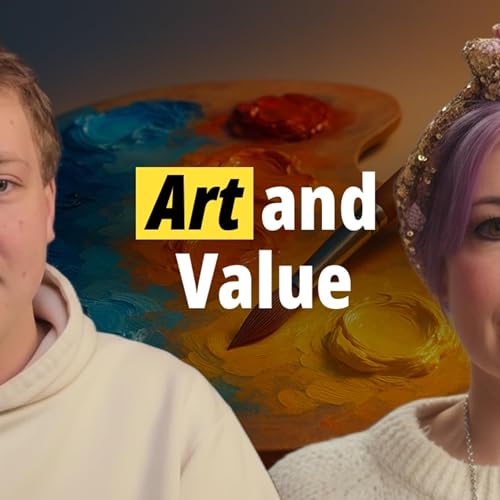
In a world where creativity often feels stifled by routine, the concept of being "thinkative" can be a refreshing perspective. In a recent podcast discussion, James Carter and Hannah explored the intricacies of creativity, the challenges of navigating the art world, and the importance of community among artists. Their candid conversation sheds light on how embracing this state of mind can lead to innovative ideas and a more fulfilling creative journey.The Fiddly-Foddly World of Creativity James Carter humorously describes the challenges of managing creative projects, referring to moments when things become "fiddly-foddly." This term perfectly encapsulates the frustration artists often face when technology and processes don’t align with their vision. James shares his journey of learning to navigate these complexities alone, from video editing software to website building, highlighting the importance of perseverance in creativity. He remarks, "Every single thing... I just sort of learned how to build everything and program everything just over time," showcasing that mastery comes with dedication and time.The Power of the Thinkative State A key moment in the podcast is when James introduces the concept of "thinkative," a term coined by his father. This state of being involves deep contemplation and brainstorming, often leading to exhaustion despite the lack of physical activity. Hannah resonates with this, stating, "I have been kind of beating myself up for feeling so tired when I have just been thinking a lot." This exchange reinforces the idea that mental labor is just as significant as physical work in the creative process.Community and Support in the Art World As the conversation shifts towards their experiences in the art community, both James and Hannah emphasize the importance of collaboration and support among artists. Hannah shares her admiration for Gabrielle, a figure in the art world who exemplifies genuine support for women in the industry. "She knows her stuff... it's made her even more generous," Hannah notes, highlighting the necessity of having mentors who uplift and connect others. James reflects on a situation where Gabrielle helped resolve a conflict involving an artist's work being misrepresented, showcasing the power of having a supportive network.Learning from Mistakes Throughout the discussion, the theme of learning from failures emerges. James recalls his father's advice: "fail fast, learn faster." This mantra emphasizes the importance of mistakes as stepping stones toward success. Hannah concurs, noting that sharing her own missteps is valuable for others, stating, "You can skip the rubbish bit." This shared wisdom is crucial in fostering a culture where artists feel safe to explore and innovate without the fear of failure.In their engaging dialogue, James Carter and Hannah remind us of the value of embracing a thinkative mindset, the necessity of community support, and the power of learning from mistakes. For anyone navigating the creative landscape, these insights serve as a reminder that creativity is a journey filled with ups and downs, and the connections we build along the way are essential to our growth. Key Takeaways: 1. Embrace the "thinkative" state to spark creativity. 2. Seek and offer support within the artistic community. 3. Learn from failures to foster growth and innovation.


 54 mins
 Feb 7 20258 mins
 Oct 19 20241 min
 Apr 18 20249 mins
 Apr 16 202410 mins
 Feb 28 20245 mins