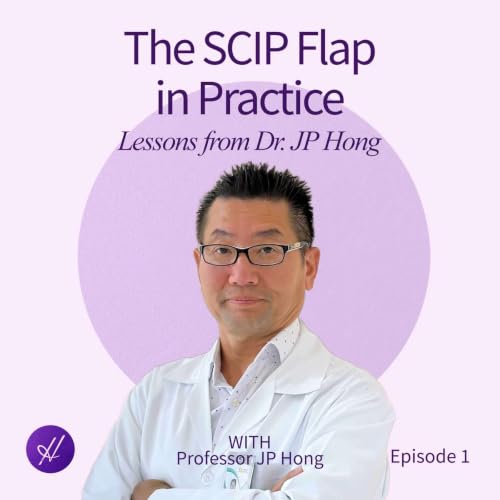
How I Operate cover art

How I Operate

How I Operate

By: The Plastics Fella
Listen for free

The Plastics Fella talks to leading expert in Plastic Surgery. How I Operate takes you behind the scenes of plastic and reconstructive surgery, exploring the stories, expertise, and decisions behind the work. Each episode features candid conversations with people shaping the industry, from their clinical process to the lessons they’ve learned along the way.The Plastics Fella
Episodes
  • The SCIP Flap in Practice: Lessons from Dr. JP Hong
    Jun 29 2026

    📩 Read more on thePlasticsFella.com and subscribe to The Plastics Paper Newsletter:
    www.theplasticsfella.com/theplasticspaper-newsletter/


    In the first episode of How I Operate, Ryan Sugrue is joined by Professor JP Hong, one of the leading innovators in modern reconstructive microsurgery and a pioneer of the SCIP flap.


    From its origins as a modification of the traditional groin flap to its evolution into one of the most versatile perforator flaps in reconstructive surgery, Professor Hong shares the anatomical discoveries, technical refinements, and clinical insights that transformed the SCIP flap into a global workhorse. Along the way, he discusses the importance of continuous innovation, the role of ultrasound in modern flap surgery, and the principles that guide his approach to surgical problem-solving.


    Key Takeaways:

    • How the SCIP flap evolved from the traditional groin flap.
    • The anatomical principles that improved flap reliability and reduced complications.
    • Why understanding perforator anatomy remains fundamental to successful reconstruction.
    • The growing role of ultrasound in flap planning and surgical decision-making.
    • How incremental improvements can transform a good operation into a great one.
    • Professor Hong's philosophy on innovation, teaching, and building a lasting surgical legacy.

    Chapters:

    00:00 – Introducing the SCIP Flap
    03:20 – The Evolution of the Groin Flap
    09:15 – Early Modifications and the Work of Dr Kashima
    16:30 – Understanding Perforator Anatomy
    24:45 – Improving Reliability Through Anatomical Research
    34:20 – The Role of Veins and Flap Design
    45:10 – When to Use (and Not Use) the SCIP Flap
    55:35 – Ultrasound as a Microsurgical Tool
    01:06:30 – SCIP Flap Design and Surgical Technique
    01:25:40 – Innovation, Legacy, and Lessons for Future Surgeons

    Thank you for listening to How I Operate. Brought to you by ThePlasticsFella.

    If you enjoyed this episode, please follow the show, leave a rating and review, and share it with colleagues. New episodes are released bi-weekly, featuring the surgeons, innovators, and ideas that continue to shape modern plastic surgery.

    Show More Show Less
    1 hr and 1 min
  • Trailer - How I Operate
    Jun 7 2026

    We’re excited to announce the upcoming release of our new podcast series, “How I Operate”, featuring discussions with leading experts in plastic and reconstructive surgery.


    Here’s a teaser from an upcoming episode where Professor JP Hong explores the SCIP flap and the evolution of modern reconstructive microsurgery.
    This upcoming podcast series is designed to go beyond textbook learning and give insight into how world experts approach operative planning, technique, and decision-making.


    🎙️ Stay tuned for more details on the release!

    Show More Show Less
    2 mins
  • 28 Days in Gaza with Ms Victoria Rose: Surgery, Logistics & How to Help
    Oct 27 2024

    In this episode of Behind the 'Fella Podcast for The PlasticsFella, Ryan speaks with Ms. Victoria Rose, a plastic surgeon who shares her experience working in Gaza with the charity Ideals. Victoria discusses her role training local surgeons amidst challenging conditions, handling severe blast and gunshot injuries, and navigating Gaza’s resource limitations.

    Key Points

    • Journey to Gaza: Victoria’s initial work with Ideals evolved into direct support for Gaza’s overwhelmed hospitals after 2018’s Great March of Return.
    • Challenges on the Ground: Insights into working without standard surgical tools, creative solutions like vinegar for infections, and performing critical surgeries in austere conditions.
    • Age-Based Injury Patterns: Patterns in pediatric injuries observed, with children aged 5-14 particularly vulnerable.
    • Impact and Future of Plastics in Gaza: Advocating for support, Victoria highlights the urgent need for plastic surgery training in Gaza.


    How to Help

    • Ideals Charity and Donate
    • Victoria Rose Interview in Vogue
    • YouTube: Victoria Rose Gaza Press Conference in the UK
    • The New Yorker: "The Children Who Lost Limbs in Gaza"
    Show More Show Less
    39 mins
adbl_web_anon_alc_button_suppression_t1
No reviews yet