

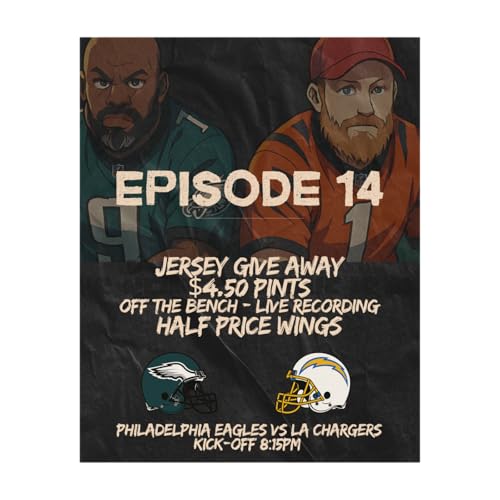
The Balancing Act: Are Athletes Prioritizing Their Brand Over Their Craft? NFL Week 14 Episode
Failed to add items
Add to basket failed.
Add to wishlist failed.
Remove from wishlist failed.
Adding to library failed
Follow podcast failed
Unfollow podcast failed

The Balancing Act: Are Athletes Prioritizing Their Brand Over Their Craft? NFL Week 14 Episode
-
Narrated by:
-
By:
About this listen
Introduction: In today’s sports landscape, athletes are no longer just players; they are brands. The rise of social media and the recent changes in college athletics have led to a significant shift in how athletes view their careers. This blog post explores the implications of this shift, examining whether the pursuit of personal branding has overshadowed the dedication to their craft.
Main Content:
1. The New Era of Athlete Branding
The podcast opens with a lively discussion about the current state of sports, particularly focusing on how the NFL season has unfolded. The hosts express their opinions on how teams like the Bears can drop from first to seventh place in a matter of weeks, highlighting the unpredictable nature of sports. This unpredictability is mirrored in how athletes now navigate their careers, often prioritizing personal branding over athletic performance. The introduction of Name, Image, and Likeness (NIL) deals has accelerated this trend, allowing college athletes to profit from their brand while still in school.
2. The Impact of Social Media
The conversation shifts to how social media has transformed athletes into entertainment brands. The NBA is cited as a prime example, with young players leveraging platforms like Instagram and TikTok to showcase their skills and build a following. The hosts agree that this focus on highlights and viral moments can sometimes overshadow the importance of actual gameplay and skill development. They note that while some athletes may not excel on the field, their social media presence can lead to lucrative endorsement deals.
3. The Consequences of Brand Over Craft
One of the hosts raises a valid point about how athletes are now often more concerned with their brand than their performance. The discussion touches upon the phenomenon of players jumping into the transfer portal in pursuit of better financial opportunities rather than honing their skills at a particular institution. This shift raises questions about commitment and development in a sport where consistency is key.
4. The Case of High-Profile Athletes
The hosts discuss specific examples like Micah Parsons and Paul George, who have been scrutinized for their focus on personal projects, such as podcasts, at the expense of their athletic responsibilities. They argue that while it’s essential for athletes to build their brands, it’s equally important for them to maintain focus on their primary craft. The conversation highlights how the distractions of branding can lead to a decline in performance, an issue that many athletes face as they navigate their careers.
5. Finding a Balance
As the podcast progresses, the hosts delve into the importance of finding a balance between branding and craft. They point to Cam Newton as an example of someone who has successfully transitioned into branding after his playing days, ensuring that he focused on his game first before branching out. This approach emphasizes the need for athletes to prioritize their craft before seeking to build a personal brand, ensuring that they don’t lose sight of what brought them success in the first place.
Conclusion: The conversation in this podcast highlights the ongoing debate about the evolving role of athletes in the sports world. While personal branding is undeniably important in today’s digital age, athletes must strike a balance between building their brand and perfecting their craft. Key takeaways include the understanding that while social media and NIL deals present exciting opportunities, they can also distract athletes from their primary focus: excelling in their sport. Maintaining this balance is crucial for long-term success both on and off the field.