


We're pleased to have you join us
30-day trial with Audible is available.
New Releases
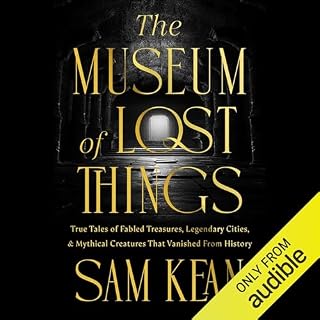
-
The Museum of Lost Things
- True Tales of Fabled Treasures, Legendary Cities, and Mythical Creatures That Vanished from History
- By: Sam Kean
- Narrated by: Jonathan Todd Ross
- Length: 12 hrs and 6 mins
- Unabridged
-
Overall2
-
Performance2
-
Story2
Spanning a million years of history, the mysteries in this book include fabled relics, legendary cities, mythical species, and undeciphered languages that have bedeviled seekers for centuries.
By: Sam Kean

-
The Medes
- The History and Legacy of the Ancient Iranians Who Helped Destroy the Neo-Assyrian Empire
- By: Charles River Editors
- Narrated by: Steve Knupp
- Length: 1 hr and 40 mins
- Unabridged
-
Overall0
-
Performance0
-
Story0
When scholars study the history of the ancient Near East, several wars that had extremely brutal consequences (at least by modern standards) often stand out. Forced removal of entire populations, sieges that decimated entire cities, and wanton destruction of property were all tactics used by the various peoples of the ancient Near East against each other, but the Assyrians were the first people to make war a science. When the Neo-Assyrians are mentioned, images of war and brutality are among the first that come to mind, despite the fact the Assyrian culture prospered for nearly 2,000 years.

-
The Man Who Invented Fiction
- How Cervantes Ushered in the Modern World
- By: William Egginton
- Narrated by: Matt Fletcher-Macdonald
- Length: 7 hrs and 20 mins
- Unabridged
-
Overall0
-
Performance0
-
Story0
Bloomsbury presents The Man Who Invented Fiction by William Egginton, read by Matt Fletcher-Macdonald. ‘In 1605 a crippled, greying, almost toothless veteran of Spain’s wars against the Ottoman Empire published a book. That book, Don Quixote, went on to sell more copies than any other book...
By: William Egginton

-
A Brief History of the Neolithic Revolution: How Humans Stopped Wandering and Built the World
- By: Gareth Lindstrom
- Narrated by: Virtual Voice
- Length: 1 hr and 56 mins
- Unabridged
-
Overall0
-
Performance0
-
Story0
Explore ancient history and human evolution to discover why nomadic hunter-gatherers risked everything to invent farming. This immersive, thought-provoking journey is the perfect companion for your daily commute or deep focus sessions. Experience the dramatic climate shifts of the late Ice Age...
By: Gareth Lindstrom

-
13 Civilization History: A Comparative Journey Through Thirteen Great Cultures That Shaped the World
- By: Henrik Johansen
- Narrated by: Virtual Voice
- Length: 1 hr and 57 mins
- Unabridged
-
Overall0
-
Performance0
-
Story0
Decode the rise and fall of ancient empires and modern nations in an epic world history narrative of human survival. Perfect for your daily commute, this cinematic exploration transports you from early river valley kingdoms to modern industrial superpowers. Experience the sweeping grand...
By: Henrik Johansen

-
History of the Sogdians: The Lost Merchants of Central Asia
- By: Marcus Ellwood
- Narrated by: Virtual Voice
- Length: 1 hr and 51 mins
- Unabridged
-
Overall0
-
Performance0
-
Story0
Discover the lost Silk Road caravan merchants who dominated ancient global trade and united vast desert empires. Perfect for your daily commute, this immersive historical journey explores the oasis city-states that served as the connective tissue between Byzantium and early China. Step into an...
By: Marcus Ellwood
-
The Museum of Lost Things
- True Tales of Fabled Treasures, Legendary Cities, and Mythical Creatures That Vanished from History
- By: Sam Kean
- Narrated by: Jonathan Todd Ross
- Length: 12 hrs and 6 mins
- Unabridged
-
Overall2
-
Performance2
-
Story2
Spanning a million years of history, the mysteries in this book include fabled relics, legendary cities, mythical species, and undeciphered languages that have bedeviled seekers for centuries.
By: Sam Kean
-
The Medes
- The History and Legacy of the Ancient Iranians Who Helped Destroy the Neo-Assyrian Empire
- By: Charles River Editors
- Narrated by: Steve Knupp
- Length: 1 hr and 40 mins
- Unabridged
-
Overall0
-
Performance0
-
Story0
When scholars study the history of the ancient Near East, several wars that had extremely brutal consequences (at least by modern standards) often stand out. Forced removal of entire populations, sieges that decimated entire cities, and wanton destruction of property were all tactics used by the various peoples of the ancient Near East against each other, but the Assyrians were the first people to make war a science. When the Neo-Assyrians are mentioned, images of war and brutality are among the first that come to mind, despite the fact the Assyrian culture prospered for nearly 2,000 years.
-
The Man Who Invented Fiction
- How Cervantes Ushered in the Modern World
- By: William Egginton
- Narrated by: Matt Fletcher-Macdonald
- Length: 7 hrs and 20 mins
- Unabridged
-
Overall0
-
Performance0
-
Story0
Bloomsbury presents The Man Who Invented Fiction by William Egginton, read by Matt Fletcher-Macdonald. ‘In 1605 a crippled, greying, almost toothless veteran of Spain’s wars against the Ottoman Empire published a book. That book, Don Quixote, went on to sell more copies than any other book...
By: William Egginton
-
A Brief History of the Neolithic Revolution: How Humans Stopped Wandering and Built the World
- By: Gareth Lindstrom
- Narrated by: Virtual Voice
- Length: 1 hr and 56 mins
- Unabridged
-
Overall0
-
Performance0
-
Story0
Explore ancient history and human evolution to discover why nomadic hunter-gatherers risked everything to invent farming. This immersive, thought-provoking journey is the perfect companion for your daily commute or deep focus sessions. Experience the dramatic climate shifts of the late Ice Age...
By: Gareth Lindstrom
-
13 Civilization History: A Comparative Journey Through Thirteen Great Cultures That Shaped the World
- By: Henrik Johansen
- Narrated by: Virtual Voice
- Length: 1 hr and 57 mins
- Unabridged
-
Overall0
-
Performance0
-
Story0
Decode the rise and fall of ancient empires and modern nations in an epic world history narrative of human survival. Perfect for your daily commute, this cinematic exploration transports you from early river valley kingdoms to modern industrial superpowers. Experience the sweeping grand...
By: Henrik Johansen
-
History of the Sogdians: The Lost Merchants of Central Asia
- By: Marcus Ellwood
- Narrated by: Virtual Voice
- Length: 1 hr and 51 mins
- Unabridged
-
Overall0
-
Performance0
-
Story0
Discover the lost Silk Road caravan merchants who dominated ancient global trade and united vast desert empires. Perfect for your daily commute, this immersive historical journey explores the oasis city-states that served as the connective tissue between Byzantium and early China. Step into an...
By: Marcus Ellwood