Are cattle inherently destructive—or have we simply built the wrong agricultural system around them?
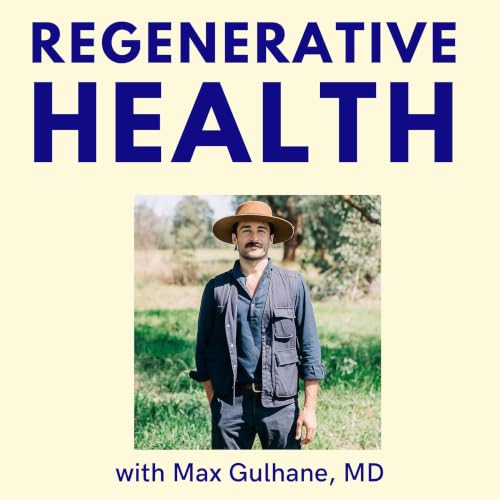
In this episode, Dr Max Gulhane speaks with Professor Richard Fynn, a rangeland ecologist and conservation scientist at the University of Botswana, about the future of beef production, regenerative grazing and indigenous African cattle.
Professor Fynn explains why beef raised on diverse natural rangelands is fundamentally different from beef produced through grain-based feedlots. They explore how the phytochemical diversity of a cow’s diet may influence animal health, meat quality and flavour, as well as the broader consequences of feedlot production for animal welfare, biodiversity, soil carbon and the conversion of grasslands into cropland.
The conversation then turns to Nguni and other indigenous African cattle. These animals have been shaped over generations by heat, drought, parasites, disease and nutritionally challenging landscapes. Their smaller frames, fertility, browsing ability and resilience may make them better suited to a hotter and increasingly variable climate than many large European-derived breeds.
TIMESTAMPS
00:35 The Importance of Phytochemical Diversity in Animal Diets
03:24 Health Implications of Feedlot vs. Rangeland Beef
06:14 Consumer Awareness and Ethical Considerations in Meat Production
09:14 Environmental Impact of Feedlots vs. Sustainable Practices
11:48 The Role of Indigenous Breeds in Sustainable Agriculture
15:05 Adaptation of Cattle to Climate Change and Drought Conditions
18:04 The Economic Benefits of Indigenous Breeds
20:54 Case Studies and Personal Experiences with Nguni Cattle
23:55 Conclusion: The Future of Sustainable Beef Production
36:10 The Importance of Adaptation in Cattle Breeding
38:32 Genetic Resilience and Disease Resistance
41:32 The Impact of Foot and Mouth Disease
45:36 Grazing Management and Land Management Strategies
53:46 The Dangers of Selective Grazing
58:34 High Density Grazing and Its Benefits
01:03:41 The Future of Sustainable Beef Production
01:17:05 Moving Away from Feedlot Production
FOLLOW RICHARD
Contact rfynn@ub.ac.bw
Research Gate profile: https://www.researchgate.net/scientific-contributions/Richard-Fynn-2132304344
Grazing smarter: science-based grazing strategies, not only stocking rate, determine rangeland outcomes - https://www.tandfonline.com/doi/abs/10.2989/10220119.2025.2609078
FURTHER LISTENING ON NGUNI
My Nguni interviews - https://www.youtube.com/playlist? list=PLrv4qp8WwfQG8lBXPL2BFx0sBAwA-jFbo
AUSTRALIAN NGUNI BREEDERS
Henham Ngunis - https://www.henhamngunis.com.au/
Dr Gabriël Roux, Genesis Nguni - http://www.genesisnguni.com/
NGUNI COMMUNITY
Nguni Association of Australia - https://www.nguni.au/
Nguni Australia Instagram - https://instagram.com/nguni_australia
Nguni Association of South Africa - https://nguni.co.za/
Nguni Facebook Group - https://www.facebook.com/groups/ngunicattle/
Nguni Australia Facebook Group -https://www.facebook.com/nguniaustralia
Follow DR MAX
Website: https://drmaxgulhane.com/ (SIGN UP TO MY EMAIL LIST)
Private Group: https://www.skool.com/dr-maxs-circadian-reset
Courses: https://drmaxgulhane.com/collections/courses
Twitter: https://twitter.com/MaxGulhaneMD
Instagram: https://www.instagram.com/dr_max_gulhane/
Apple Podcasts: https://podcasts.apple.com/podcast/id1661751206
Spotify: https://open.spotify.com/show/6edRmG3IFafTYnwQiJjhwR
Linktree: https://linktr.ee/maxgulhanemd
#nguni #regenerativefarming #regenerativeagriculture
Send us Fan Mail
🧡 HARDBLOCK Australia's Longest Running Bitcoin-only (₿) Exchange
Use code REGENPOD for AUD 10 of bitcoin post account verification
Support the show


 1 hr and 5 mins