• #414 How To Find Genetics Professionals Worldwide: The Global Genetics Directory
    Oct 2 2026
    When patients relocate or relatives living abroad need cascade testing, finding a qualified genetics professional in another country can be surprisingly difficult. The new Global Genetics Directory aims to change that through a free, verified, peer-to-peer resource connecting genetics and genomics professionals worldwide. In this episode of DNA Today, recorded in person at our studio, host Kira Dineen is joined by genetic counselor Monisha Sebastin, Founder and Principal Investigator of the Global Genetics Directory. Monisha explains how her international background and leadership within the genetics community revealed the need for a centralized global resource. We explore how the directory was developed with support from the prestigious Audrey Heimler Special Projects Award, how professionals are verified across different credentialing systems, and why the team chose a closed, consent-based model rather than a publicly searchable directory. Monisha also shares how the directory could strengthen cross-border patient care, cascade testing, professional collaboration, and access to genetics services around the world. Episode Discussion Topics Why finding genetics professionals in other countries can be challengingHow Monisha’s experiences in India and the United States shaped her perspective on global accessWhen international connections are especially important for patient care and cascade testingWhat genetics professionals around the world said they needed from a global directoryHow NSGC’s Audrey Heimler Special Projects Award supported the projectHow registration, credential verification, and directory searches workWhy eligibility is limited to credentialed genetics and genomics professionalsHow the directory accommodates differences in professional titles, credentials, and scopes of practiceWhy membership is freeThe benefits of a closed, peer-to-peer, and consent-based modelHow patients seeking care abroad can work with their current providersThe team’s vision for expanding the directory and strengthening international collaboration About Monisha Sebastin Monisha Sebastin, MS, LCGC, is the Founder and Principal Investigator of the Global Genetics Directory. She is also a senior pediatric genetic counselor in New York City, where she specializes in cardiogenetics and research. Monisha grew up in India and earned her undergraduate degree in genetic engineering before completing her genetic counseling training at Sarah Lawrence College. Her international background, clinical experience, and leadership within the global genetic counseling community helped inspire the development of the Global Genetics Directory. The directory was developed with support from the Audrey Heimler Special Projects Award for Monisha’s project, “Evaluating International Genomics Providers’ Needs and Perspectives on a Global Genomics Services Directory.” Resources & Links Global Genetics DirectoryTo email directly, contact@globalgeneticsdirectory.com National Society of Genetic Counselors (NSGC)NSGC’s Audrey Heimler Special Projects AwardFind A Genetic Counselor Directory Relevant DNA Today Podcast Episodes #109 Shenela Lakhani on Genetic Counseling in Qatar — Hear from Qatar’s first certified genetic counselor about establishing the profession in a new country and adapting counseling across cultures.#110 Gattaca, 22 Years Later with Catherine Mayo and Ale Cantu — Catherine Mayo’s first DNA Today appearance examines the film’s enduring relevance to genetic counseling, reproductive decision-making, and genetic discrimination.#114 Matt Burgess on Australasian Genetic Counseling — Explore genetic counseling education, certification, private practice, and healthcare delivery in Australia and across the Australasian region.#212 NSGC Recap 2022 — Meet Monisha and learn about the clinical care and compassion that earned her the Heart of Genetic Counseling Award, along with her work supporting international genetic counselors.#221 Genetic Counseling in South Africa with Samantha Bayley and Tina-Marié Wessels — Learn how genetic counseling is practiced and taught in South Africa, including barriers to expanding services and differences between its public and private healthcare systems.#259 NSGC 2023 Recap and Reflections with Catherine Mayo — Catherine Mayo returns to the show to discuss major themes and takeaways from the genetic counseling profession’s annual conference.#269 Computer Vision Diagnosing Genetic Disorders with Robert Boscacci — Meet the Global Genetics Directory’s web developer and site architect and hear how computer vision can support the diagnosis of genetic conditions.#286 Qatar Genome Program with Dr. Said Ismail — Explore the Middle East’s largest population-based genome initiative and its work to improve the representation of Qatari and Arab populations in genomic research.#311 Mock Cancer Genetic Counseling Session with Catherine Mayo — Hear Catherine Mayo ...
    Show More Show Less
    28 mins
  • #413 PKU Beyond the Diet: Food, Mental Health, and Daily Life
    Sep 25 2026
    For most people, eating is an ordinary part of the day. But when you have phenylketonuria (PKU), every meal can involve calculations, preparation, medical monitoring, and decisions that affect how your brain and body feel. This is DNA Today, a podcast from Gene Pool Media, where we explore the breakthroughs, challenges, and human impact of genetics and genomics. I’m your host Kira Dineen, a genetic counselor and award-winning science podcaster and speaker. This is a continuation of our PKU series, sponsored by PTC Therapeutics. In the first episode (Episode 399), we explored how PKU helped launch newborn screening and why early diagnosis can completely change a child’s future. In this second episode, we’re looking at what comes next: what it actually means to manage PKU through food, and how this affects school, friendships, celebrations, mental health, independence, and a person’s relationship with food. Joining us are a mother and daughter who have experienced that journey together: Dr. Jennifer Brown is a geneticist, science communicator, and author of When the Baby Is Not OK: Hopes & Genes, a wonderful memoir about genetics, motherhood, and raising children with PKU. Lillian Isabella is a playwright, actor, advocate, and former National PKU Alliance board member who lives with PKU. She is also Dr. Brown’s daughter. Our guests are participating in this podcast to share their experience and opinions only. They are not providing any medical advice. Always check with your healthcare provider for treatment and screening advice. Episode Discussion Topics What a “low-protein diet” actually requires for someone living with PKUHow protein and phenylalanine tolerance are determined and monitored over timeThe work involved in grocery shopping, measuring food, reading labels, preparing specialized meals, and ordering medical foodsDr. Brown’s experience learning to treat feeding her newborn as a form of medical careRaising two daughters with PKU and balancing dietary management with everyday family lifeLillian’s relationship with PKU formula and medical shakes throughout different stages of lifeHow elevated phenylalanine levels can affect focus, energy, mood, and daily functioningNavigating school, birthday parties, holidays, camps, travel, dating, and other food-centered social situationsWhen Lillian first became aware that she ate differently from her peersHow constant food monitoring can influence a person’s emotional relationship with eatingPKU-related frustration, burnout, anxiety, guilt, and resentmentHow language used by clinicians can shape a child’s identity and relationship with their conditionTransitioning from parent-managed PKU care to greater independence in adolescence and adulthoodReturning to metabolic care after time awayLillian’s experience turning her lived experience with PKU into advocacyAdvice for parents who have just learned their baby has PKUHow guidance and support may change through early childhood, adolescence, and adulthoodDr. Brown and Lillian’s hopes for the future of PKU care and what could make everyday management easier Resources & Links When the Baby Is Not OK: Hopes & Genes by Dr. Jennifer BrownPKU / PhenylketonuriaPhenylalanine hydroxylase deficiency ACT SheetThe Newborn Screening Information Center (NBSIC)Recommended Uniform Screening Panel, or RUSPRUSP overview for familiesACMG Newborn Screening ACT Sheets and AlgorithmsBaby’s First Test: Newborn Screening InformationNational PKU Alliance Relevant DNA Today Podcast Episode Episode 399: PKU and the History of Newborn Screening – In the first installment of this series, we explore how PKU helped launch newborn screening and why early diagnosis can dramatically change a child’s future. Connect with DNA Today: You never have to wait long for a new episode of DNA Today, we release episodes every Friday! In the meantime, explore our library of over 400 episodes on Apple Podcasts, Spotify, DNAToday.com, or wherever you listen to podcasts. Just search “DNA Today.” Prefer to watch? The video version of this episode is available on our YouTube channel and DNAToday.com. Select episodes are filmed in person, including some at the iconic NBCUniversal studios. Discover more podcasts exploring genetics, genomics, medicine, and science from our network, Gene Pool Media: The Science Podcast Network. DNA Today is hosted and executive produced by Kira Dineen, MS, LCGC, CG(ASCP)CM. Liv Davidson is our Social Media Lead and Eric Knaus is our Digital Marketing and Automation Lead. Follow us at @DNATodayPodcast on all platforms including Instagram, X, BluSky, Threads, LinkedIn, Facebook, YouTube and our website, DNAToday.com. Questions, partnership inquiries, and guest pitches can be sent to info@DNAToday.com.
    Show More Show Less
    36 mins
  • #412 How Prenatal cfDNA Can Uncover Undiagnosed Maternal Cancer
    Sep 18 2026
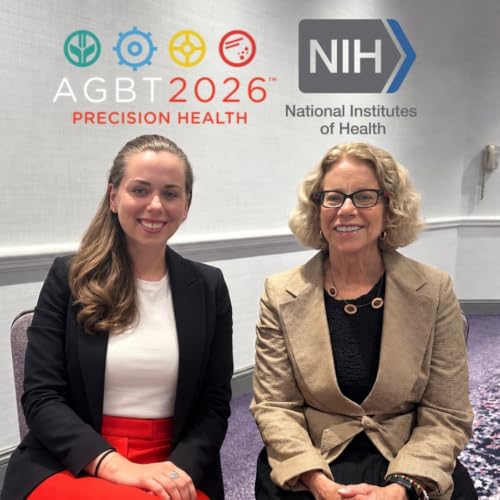
    Prenatal cell-free DNA screening is designed to assess a pregnancy for chromosome conditions; but in rare cases, it can reveal something entirely unexpected about the pregnant patient’s own health. In this episode, Kira Dineen is joined in-person by Dr. Diana Bianchi to explore how unusual or non-reportable cfDNA screening results can sometimes be a signal of an undiagnosed maternal cancer. Dr. Bianchi shares findings from the NIH’s ongoing IDENTIFY study, which is investigating why these unexpected cfDNA patterns occur, how clinicians can distinguish potential malignancy from other explanations, and what should happen next when a prenatal screening result raises concern about maternal cancer. We recorded this episode in person at AGBT Precision Health, one of our favorite conferences of the year. The conference wrapped this past Wednesday and brought together leaders across genomics, precision medicine, research, and clinical care in an intimate setting that makes it easy to connect, learn, and have thoughtful conversations. The conference is also hosted at a beautiful resort in the San Diego area, which makes the experience especially memorable. We highly recommend attending next year’s AGBT Precision Health meeting, taking place September 13–15, 2027, at the same gorgeous location. We already put it on our calendars! In This Episode, We Discuss: What “non-reportable” or “uninterpretable” cfDNA results actually meanHow unusual cfDNA results differ from typical test failuresDetermining whether an unexpected cfDNA signal originates from the fetus, placenta, or pregnant patientMaternal causes of discordant cfDNA results, including fibroids, clonal hematopoiesis, a demised twin, and malignancyWhy tumors can release DNA into the bloodstream that is detected during prenatal screeningWhy Dr. Bianchi and her colleagues launched the prospective IDENTIFY study in 2019What participants undergo when they travel to the NIH Clinical Center for evaluationResults from the first 107 IDENTIFY participants, including the 52 participants diagnosed with cancerWhy lymphoma is frequently identified through these unusual cfDNA patternsChromosomal patterns that are particularly suspicious for malignancyWhy gains and losses involving three or more chromosomes can be an important warning signWhy symptoms, physical examinations, and routine bloodwork may not reliably identify patients with occult cancerThe role of rapid whole-body MRI in evaluating patients for malignancyApproaches clinicians can consider when whole-body MRI is not readily availableDiagnosing and treating cancer during pregnancyWhat researchers have learned from participants whose evaluation does not identify cancerHow the IDENTIFY study has expanded since its original published cohortHow laboratories should report cfDNA patterns that may suggest maternal malignancyThe need for professional society guidelines for clinicians receiving these unusual resultsWhat genetic counselors, OB/GYNs, and maternal-fetal medicine specialists should do when they receive a concerning non-reportable NIPS result About Dr. Diana Bianchi Diana W. Bianchi, MD, is a physician-scientist and a pioneer in noninvasive prenatal genetic testing and fetal cell microchimerism research. She previously served as Director of the Eunice Kennedy Shriver National Institute of Child Health and Human Development at the National Institutes of Health and was a senior investigator in the Center for Precision Health Research at the National Human Genome Research Institute. Her research has helped define how prenatal cell-free DNA sequencing can unexpectedly identify genomic patterns associated with maternal malignancy. In 2019, Dr. Bianchi and colleagues launched the IDENTIFY Study — Incidental Detection of Maternal Neoplasia Through Non-Invasive Cell-Free DNA Analysis — to investigate the biological causes of unusual or non-reportable prenatal cfDNA results and develop evidence-based approaches for identifying patients who may need evaluation for cancer. IDENTIFY Study The IDENTIFY study is an ongoing prospective study at the NIH Clinical Center evaluating pregnant and postpartum individuals who received unusual or non-reportable prenatal cfDNA sequencing results (also known as non-invasive prenatal screening or testing, NIPS or NIPT). The first major results from IDENTIFY were published in The New England Journal of Medicine in December 2024. Among the first 107 participants evaluated, 52 (48.6%) were diagnosed with cancer. Researchers also found: Rapid whole-body MRI had 98% sensitivity and 88.5% specificity for detecting occult cancer.Physical examination and routine laboratory testing had limited ability to distinguish participants with cancer.Among participants whose research cfDNA sequencing showed both copy-number gains and losses involving three or more chromosomes, 47 of 49 (95.9%) had cancer.Other unusual cfDNA patterns can have nonmalignant explanations, ...
    Show More Show Less
    37 mins
  • #411 Mock Cancer Genetic Counseling Session: Colon Cancer and Lynch Syndrome
    Sep 11 2026
    What happens during genetic counseling after someone develops colon cancer at a young age and their tumor testing raises concern for Lynch syndrome? This is the eighth installment in our Mock Genetic Counseling Session Series! In this episode, cancer genetic counselor Connor Linehan and genetic counseling student Edith Atwerebour perform a mock cancer genetic counseling session. Edith plays Patricia, a 42-year-old woman recently diagnosed with Stage I colon cancer whose tumor showed loss of the MSH2 and MSH6 proteins. Although this tumor result raises suspicion for Lynch syndrome, it does not confirm that Patricia has an inherited cancer predisposition. Through this simulated session, Connor explains the difference between tumor and germline testing, reviews the pattern of cancer in Patricia’s family, and discusses how genetic testing could inform her future medical care and clarify cancer risks for her relatives. Patricia is particularly concerned about her kids. The session demonstrates how genetic counselors address the emotional impact of a possible hereditary cancer condition while explaining why testing and cancer screening are generally not recommended for children when the associated risks begin in adulthood. Previous installments of this series have explored prenatal, pediatric, cardiovascular, cancer, and teratogen genetic counseling. We hope these sessions help prospective and current genetic counseling students, and the general public, better understand what happens during a genetic counseling appointment. The Actors Connor Linehan, MS, LCGC is a board-certified genetic counselor in Connecticut specializing in cancer. He helps patients and families understand inherited cancer risks, genetic testing options, and how test results may affect medical management and relatives. He is also a Clinical Instructor at a genetic counseling graduate program. Connor is the President of The Connecticut Genetic Counselor Association. (Fun fact, our host Kira Dineen designed this new website!) Edith Atwerebour, MPH is currently a student in the Human Genetics Program at Sarah Lawrence College training to become a genetic counselor. In this mock session, she plays Patricia, a 42-year-old woman recently diagnosed with Stage I colon cancer whose abnormal tumor testing raises concern for Lynch syndrome. The premise of this mock case was developed as part of Atwerebour’s internship with DNA Today. Edith also appeared in the previous installment of this series, #406 Mock Teratogen Genetic Counseling Session: Ozempic, Zoloft, Xanax, and Metformin, in which she played Denise, a pregnant patient seeking information about several medication exposures. Mock Session Overview Establishing the purpose and structure of a cancer genetic counseling appointmentReviewing Patricia’s colon cancer diagnosis, treatment, and current healthAddressing Patricia’s concerns about her children early in the sessionConstructing and evaluating a three-generation cancer family historyIdentifying features that raise concern for hereditary cancer, including colon cancer before age 50 and multiple Lynch-associated cancersExplaining how genes normally help protect the body from developing cancerSporadic, familial, and hereditary explanations for cancerThe function of the mismatch repair genes MLH1, MSH2, MSH6, and PMS2How immunohistochemistry evaluates mismatch repair protein expression in a tumorWhy loss of MSH2 and MSH6 raises concern for mutations (pathogenic variants) in cancer genesThe difference between tumor testing and germline genetic testingWhy abnormal tumor testing does not independently establish a Lynch syndrome diagnosisHow genetic changes confined to a tumor differ from inherited germline variantsWhy Patricia is the most informative person in her family to test firstThe option of using a multigene hereditary cancer panelPossible genetic testing results: positive, negative, and a variant of uncertain significanceWhat each potential result could mean for Patricia and her relativesWhy inheriting a pathogenic variant increases cancer risk but does not guarantee cancerWhy Patricia’s children would generally wait until adulthood for genetic testingHow a positive result could affect Patricia’s colon cancer surveillanceOther Lynch-associated cancer risks, including endometrial, ovarian, gastric, pancreatic, urinary tract, and additional cancersHow screening and risk-reducing options vary by the gene involvedCascade testing for Patricia’s mother, children, and other relatives if a familial variant is identifiedGenetic testing through a blood or saliva sampleThe expected turnaround time and how results would be reviewedPatricia’s decision about whether to proceed with germline genetic testing Lynch Syndrome Resources About Lynch Syndrome—Centers for Disease Control and PreventionGenetic Testing for Lynch Syndrome—Centers for Disease Control and PreventionManaging Cancer Risks Associated With Lynch Syndrome—Centers ...
    Show More Show Less
    31 mins
  • #410 Gypsy Rose Blanchard’s 1q21.1 Microdeletion: What Does It Explain?
    Sep 4 2026
    This episode drop from the PRETEND podcast series “The Gypsy Rose Obsession” features Kira Dineen explaining what Gypsy Rose Blanchard’s genetic test result may, and may not, mean. Gypsy Rose Blanchard’s medical history has been scrutinized for years. Throughout her childhood, her mother, Dee Dee Blanchard, presented her as having numerous serious medical conditions, resulting in medications, procedures, mobility aids, and countless medical appointments. In 2015, Dee Dee was murdered by Gypsy’s then-boyfriend in a crime Gypsy helped plan. The case has since inspired documentaries, television series, podcasts, and an enormous amount of online speculation. But one part of Gypsy’s medical history has received relatively little attention: a chromosomal microdeletion identified through genetic testing. In this special episode drop, we are sharing the fifth installment of “The Gypsy Rose Obsession,” an investigative series from the PRETEND podcast hosted by Javier Leiva. The first four episodes explore the online community that continues to investigate, debate, and develop competing theories about nearly every aspect of Gypsy’s life. We recommend listening to those episodes first for the full context behind the people, records, and claims discussed in this installment. Episode five turns its attention to Gypsy’s reported 1q21.1 microdeletion. DNA Today host and certified genetic counselor Kira Dineen joins Javier as a genetics expert to examine the available records and explain the complexities of interpreting this finding. Kira breaks down chromosomes using a genomic-library analogy, explains how a chromosomal “address” such as 1q21.1 is read, and puts the reported deletion size into perspective. She also compares a traditional karyotype with a chromosomal microarray and explains how a deletion can be too small to detect through one form of testing but identifiable through another. What can the microdeletion tell us about Gypsy’s health? Why might her earlier clinical notes and a later laboratory report describe the finding differently? Could the deletion explain claims involving paralysis, leukemia, or the need for a feeding tube? Most importantly, how do we distinguish a possible genetic association from evidence that a particular finding caused someone’s medical, psychiatric, or behavioral features? This episode discusses medical child abuse, violence, and murder. Please take care while listening. Episode Discussion Topics What genetic counselors do and how they help patients understand genetic testingChromosomes, genes, and microdeletions explained through a genomic-library analogyHow to interpret the chromosomal address “1q21.1”What it means to have a piece of chromosome 1 missingPutting the size of the deletion into perspectiveWhy the size of a genetic change does not always predict its medical impactThe wide spectrum associated with 1q21.1 microdeletions, ranging from no apparent features to developmental and congenital differencesHow two people with the same or similar deletion can be affected very differentlyWhy identifying the deletion does not mean someone will develop every associated conditionPossible developmental, neurological, physical, and behavioral features reported with 1q21.1 microdeletionsThe difference between a genetic risk factor and a diagnosis or predictionWhether paralysis, leukemia, or feeding-tube use are associated with this deletionWhy a genetic finding should not automatically be used to explain every aspect of someone’s medical or behavioral historyThe limitations of interpreting genetic information without a complete medical evaluation and family history The information presented in this episode is intended for education and discussion and should not be considered individualized medical advice. Genetic test results should be interpreted by a qualified healthcare professional in the context of the individual’s complete medical and family history. Resources & Links Listen to PRETEND on Apple PodcastsListen to PRETEND on SpotifyLearn more at the PRETEND podcast website1q21.1 Microdeletion—MedlinePlus Genetics1q21.1 Recurrent Deletion—GeneReviews1q21.1 Microdeletions—Unique, Understanding Rare Chromosome and Gene Disorders Relevant DNA Today Podcast Episodes True Crime and Forensic Genetics #402 How Genetic Genealogy Caught the Golden State Killer — Retired cold-case investigator Paul Holes explains how investigative genetic genealogy identified Joseph DeAngelo and discusses DNA evidence in the Golden State Killer, Zodiac Killer, and other major cases.#326 How DNA Solves Crimes: The Forensic Science Behind True Crime — DNA-analysis pioneer Dr. Henry Erlich explores PCR, forensic DNA databases, exonerations, the O.J. Simpson case, and the scientific and ethical complexities of DNA evidence.#131 Libby Copeland on Law Enforcement Use of Genetic Databases — Journalist and author Libby Copeland examines how law enforcement uses ...
    Show More Show Less
    44 mins
  • #409 How DNA Testing Exposed the Dark History of American Adoption
    Aug 28 2026
    What happens when stigma, secrecy, and institutional power separate a mother from her child, and prevent an adoptee from accessing his own identity and medical history for decades? This week, we are sharing an episode of DNA Clarity and Support, the newest podcast to join the Gene Pool Media network. Host and genetic counselor Brianne Kirkpatrick Williams speaks with New York Times bestselling author and journalist Gabrielle Glaser about her book, American Baby: A Mother, a Child, and the Shadow History of Adoption. American Baby follows Margaret Erle Katz, who became pregnant as a teenager in 1961, and the son she was pressured to relinquish for adoption. That child, later named David Rosenberg, grew up without access to his biological family or family medical history. Decades later, while experiencing serious health problems, David used direct-to-consumer DNA testing to identify his birth family and discovered that the story he had believed about his adoption was not true. Through David and Margaret’s experiences, Gabrielle exposes the coercion, secrecy, and stigma that shaped the postwar adoption industry, and explores why access to original birth records, genetic relatives, and family health history remains so important. On This Episode, We Discuss: How Gabrielle met David while reporting on his kidney transplantHow DNA testing connected David with his biological familyWhat David discovered about his birth parents’ efforts to keep himHow sealed adoption records restrict access to identity and family medical historyStigma, coercion, and secrecy in postwar American adoptionUnethical research conducted on infants awaiting adoptionThe emotional complexity of unexpected biological connections and family reunionsPrivacy concerns surrounding commercial DNA databasesSupport resources for adoptees and others navigating DNA discoveriesMargaret’s journey from decades of secrecy to adoptee-rights advocacy About Gabrielle Glaser Gabrielle Glaser is a New York Times bestselling author and journalist whose work on mental health, medicine, addiction, and culture has appeared in The New York Times Magazine, The New York Times, and many other publications. Her fourth book, American Baby: A Mother, a Child, and the Shadow History of Adoption, examines the history of adoption in post–World War II America through the story of one family separated by the country’s secretive and coercive adoption system. Learn more about Gabrielle and her work on her website. About Brianne Kirkpatrick Williams Brianne Kirkpatrick Williams is a licensed and certified genetic counselor, genealogist, author, and the founder of Watershed DNA. She provides support and guidance for people navigating DNA testing, family searches, adoption, donor conception, misattributed parentage, and unexpected biological relationships. Brianne is also the co-author, with Shannon Combs-Bennett, of The DNA Guide for Adoptees. About DNA Clarity and Support DNA Clarity and Support explores the personal and familial impacts of DNA testing. Brianne speaks with authors, advocates, and leaders about family searches, unexpected discoveries, identity, medical history, and the resources available to people navigating the rapidly changing world of consumer DNA testing. DNA Clarity and Support is produced by Watershed DNA and is part of the Gene Pool Media podcast network. Subscribe wherever you listen to podcasts. Resources Gabrielle GlaserAmerican Baby by Gabrielle Glaser The DNA Guide for Adoptees by Brianne Kirkpatrick Williams and Shannon Combs-BennettWatershed DNAAdoptee Rights Law CenterLiberty Lost PodcastDNA Clarity and Support PodcastCurrent map of adoptee access to original birth certificates Editor’s note: This conversation was originally recorded in 2022. Laws governing adoptee access to original birth certificates have continued to change since then. As of July 2026, according to the Adoptee Rights Law Center, adult adopted people in seventeen states currently have an unrestricted right to obtain copies of their own pre-adoption original birth records without discriminatory restrictions. These maps categorize US states into three primary groups: Unrestricted, Compromised, and Restricted, with definitions and numbers below. A list of states and restrictions is also available, as well as a changelog to the map over time. Relevant DNA Today Episodes #103 Brianne Kirkpatrick on Adoptee Genetic Testing#139 Dani Shapiro on Her Donor-Conceived Discovery#242 Misattributed Paternity with Richard Wenzel#300 Netflix’s The Man With 1,000 Kids: Fertility Fraud Expert Eve Wiley and Advocate Laura#131 Libby Copeland on Law Enforcement Use of Genetic Databases Connect You never have to wait long for a new episode of DNA Today, we release episodes every Friday! In the meantime, explore our library of over 400 episodes on Apple Podcasts, Spotify, DNAToday.com, or wherever you listen to podcasts. Just search “DNA Today.” Prefer to watch? The video ...
    Show More Show Less
    43 mins
  • #408 Low ALP, Fractures, and Early Tooth Loss Point to Hypophosphatasia
    Aug 21 2026
    Hypophosphatasia (HPP) can present very differently from one person to the next, from life-threatening complications in infancy to fractures, chronic pain, muscle weakness, or early tooth loss later in life. With symptoms spanning multiple body systems and varying across the lifespan, how can clinicians recognize when these seemingly disconnected findings may point to HPP? In the first episode of our three-part series on hypophosphatasia, we are joined by genetic counselor Amy Patterson to explore the clinical spectrum and diagnosis of HPP. Amy explains what happens biologically in HPP, why traditional age-based classifications do not always capture its variability, and how the condition may present from the prenatal period through adulthood. We also discuss the importance of persistently low alkaline phosphatase (ALP), including why results must be interpreted using age- and sex-appropriate reference ranges. Amy reviews the additional laboratory findings, medical and dental histories, imaging, physical examination, and molecular testing that may contribute to a diagnosis. She also highlights common misdiagnoses and the clinical clues that should prompt healthcare providers to consider HPP. Episode Discussion Topics What hypophosphatasia is and how impaired mineralization affects the bodyThe perinatal, infantile, childhood, adult, and odonto forms of HPPPrenatal and infantile presentations of severe HPPClinical and dental signs in childrenFractures, chronic pain, fatigue, weakness, and dental concerns in adultsHow manifestations may change throughout a person’s lifetimeVariability among relatives with the same familial ALPL variantsCommon diagnostic delays and misdiagnosesDistinguishing HPP from other causes of rickets and skeletal abnormalitiesDifferentiating HPP from osteoporosis, osteopenia, osteoarthritis, and fibromyalgiaThe importance of persistently low ALP and appropriate reference rangesAlternative explanations for a low ALP resultThe HPP International Working GroupThe roles of laboratory testing, radiographs, dental records, and medical historyWhen molecular testing of the ALPL gene may be appropriateWhether HPP can be diagnosed without an identified pathogenic or likely pathogenic ALPL variant About the Guest Amy Patterson, MS, CGC, is a licensed, board-certified genetic counselor in the Department of Genetic Medicine at Johns Hopkins. She works with pediatric and adult patients in the general genetics clinic and the Greenberg Center for Skeletal Dysplasias, including individuals and families affected by hypophosphatasia. About the Series This episode is the first in a three-part educational series about hypophosphatasia. Stay tuned for the next installment . Across the series, we explore the clinical spectrum and diagnosis of HPP, its genetic basis and variable expression, and considerations for genetic counseling and management. This series is sponsored by Alexion. The views expressed by the host and guests are their own. Resources Dahir KM, Nunes ME. Hypophosphatasia. GeneReviews®. Updated March 27, 2025. This comprehensive clinical overview covers the presentation, diagnosis, genetics, management, and genetic counseling considerations for HPP.Beck NM, Sagaser KG, Lawson CS, et al. Not just a carrier: Clinical presentation and management of patients with heterozygous disease-causing alkaline phosphatase (ALPL) variants identified through expanded carrier screening. Molecular Genetics & Genomic Medicine. 2023;11(1):e2056.Khan AA, Brandi ML, Rush ET, et al. Hypophosphatasia diagnosis: Current state of the art and proposed diagnostic criteria for children and adults. Osteoporosis International. 2024;35(3):431–438.Rush E, Brandi ML, Khan A, et al. Proposed diagnostic criteria for the diagnosis of hypophosphatasia in children and adolescents: Results from the HPP International Working Group. Osteoporosis International. 2024;35(1):1–10.Brandi ML, Khan AA, Rush ET, et al. The challenge of hypophosphatasia diagnosis in adults: Results from the HPP International Working Group Literature Surveillance. Osteoporosis International. 2024;35(3):439–449.Soft Bones: The U.S. Hypophosphatasia Foundation provides education, support, advocacy, and community resources for individuals and families affected by HPP.Explore Soft Bones’ HPP resources, including educational materials for patients, caregivers, and healthcare professionals. Relevant DNA Today Episodes #192 Osteogenesis Imperfecta with The Middle’s Atticus Shaffer: Actor Atticus Shaffer discusses living with osteogenesis imperfecta, his diagnostic and treatment experiences, and what he wants healthcare providers to understand about the condition.#301 Dwarfism with Colleen Gioffreda: Colleen Gioffreda shares her personal and professional perspectives on achondroplasia, skeletal dysplasias, parenting, adoption, accessibility, and advocacy.#348 NIPT Beyond the Basics: Screening for Single-Gene Conditions: Dr. Fred Ushakov explains how ...
    Show More Show Less
    38 mins
  • #407 NFL and Kansas City Chiefs Star Art Still on the Missed Signs of Hereditary Amyloidosis
    Aug 14 2026
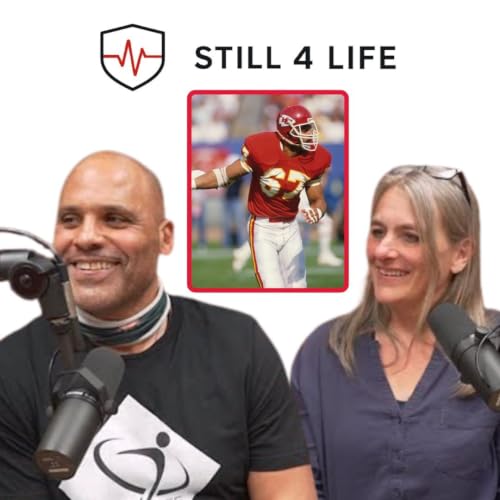
    What happens when the symptoms of a genetic condition look like the lasting effects of a professional football career? Former NFL defensive end and Kansas City Chiefs star Art Still spent decades attributing carpal tunnel syndrome, trigger finger, back problems, joint and tendon injuries, neuropathy, and other health concerns to football, aging, and ordinary wear and tear. Even when he developed atrial fibrillation, Art’s lifelong discipline and athlete mentality made him believe he could manage his health on his own. Art and his wife, Liz Still, join host Kira Dineen to share how those seemingly disconnected symptoms were eventually traced to hereditary transthyretin amyloidosis, also known as hereditary ATTR or hATTR amyloidosis. During evaluations through the NFL Player Care Foundation wellness program, Art’s healthcare providers looked beyond his individual symptoms and asked about his family health history. That conversation revealed a striking pattern: relatives with serious cardiac, neurologic, and mobility-related conditions, including Art’s older brother, who received a heart transplant, and his nephew, who lived with sickle cell disease and had previously tested positive for the same TTR variant. Genetic testing confirmed that Art carries the V122I variant, also called p.Val142Ile or V142I, in the TTR gene. This variant is found in approximately 3–4% of Black Americans, or about 1 in 25, although carrying it does not necessarily mean someone will develop amyloidosis. For Art and Liz, the diagnosis provided answers, but it also raised questions for their 11 children, 28th grandchild on the way, and extended family. They discuss navigating family conversations about inherited health risks, the value of genetic testing, Art’s evolving trust in healthcare, and why following a treatment plan matters. Through their nonprofit, Still 4 Life, Art and Liz now offer free community presentations focused on awareness, earlier detection, family health history, and self-advocacy. Their goal is to make complicated medical information easier to understand and reach people who may otherwise dismiss their symptoms or hesitate to seek care. Episode Discussion Topics How Art’s “no pain, no gain” athlete mentality shaped his response to symptomsWhy professional athletes may normalize pain and avoid disclosing injuriesThe symptoms Art initially attributed to football, including carpal tunnel syndrome, trigger finger, back problems, neuropathy, joint and tendon injuries, and a torn bicepsWhy a torn biceps can be a potential warning sign of transthyretin amyloidosisLiz’s early belief that Art’s symptoms were natural consequences of his football careerWhen Art’s cardiac symptoms caused Liz to realize something else might be happeningArt’s history of atrial fibrillation and his initial resistance to medicationHis evaluations through the NFL Player Care Foundation wellness programThe family health history questions that helped connect Art’s seemingly unrelated symptomsHis brother’s heart transplantHis nephew’s sickle cell disease, amyloidosis, and earlier genetic test resultWhy Art’s nephew was originally evaluated for Marfan syndrome How genetic testing identified Art’s V122I TTR variantThe relief of finally understanding the cause of Art’s health problemsHow the diagnosis changed conversations with their 11 children and extended familyWhy family health history may be one of the most valuable legacies a family can preserveThe difference between carrying a genetic variant and developing symptomsWhy ancestry can help identify risk but should not be used to exclude someone from considerationArt’s mistrust of the medical and pharmaceutical industries, and how his perspective evolvedWhat happened when Art reduced and stopped his heart medication without medical guidanceWhy finding a healthcare team that explains the purpose of treatment is so importantHow Liz advocated for Art when she realized he was not following his prescribed treatment planThe importance of asking questions and making healthcare decisions with qualified cliniciansHow Art uses humor and personal storytelling to make medical information approachableWhy Art and Liz founded Still 4 LifeMeeting people where they are through free community educationEncouraging families to discuss their health history and advocate for one anotherTurning a hereditary diagnosis into a game plan for a healthier community About Hereditary ATTR Amyloidosis Hereditary transthyretin amyloidosis is caused by a disease-associated variant in the TTR gene. The variant makes the transthyretin protein more likely to misfold and accumulate as amyloid deposits in organs and tissues. Depending on the individual and the specific variant, hereditary ATTR amyloidosis can affect the heart, peripheral nerves, autonomic nervous system, digestive system, kidneys, and other parts of the body. Possible warning signs can include cardiomyopathy, heart failure, ...
    Show More Show Less
    40 mins