• Workplace Research Authority: Is AI Actually Making the Workplace More Human? | Janet Pogue McLaurin | People Positive AI
    Jun 24 2026

    What if the widespread adoption of AI actually makes our physical workplaces more human, not less? In this episode, we unpack ground-breaking global research that turns the AI isolation narrative on its head.

    We explore why AI power users are spending less time working alone, why traditional real estate efficiency metrics are failing, and how forward-thinking leaders can design physical environments that act as catalysts for shared learning, deep trust, and human breakthrough.


    Expert

    Janet Pogue McLaurin is a Principal and the Global Director of Workplace Research at Gensler, the world's premier global architecture and design firm. For more than four decades, Janet has occupied a singular space at the intersection of business strategy, human data, and architectural design. She leads the Gensler Global Workplace Survey, which is now in its 23rd year and stands as the world’s most comprehensive, ongoing investigation into how people experience the built environment, analyzing over 120,000 respondents across its history.


    Takeaways:

    • The surprising 2026 data revealing that AI power users spend more time socializing, learning, and building team networks than non-users.
    • The reality of the hybrid "sweet spot," where data shows employees globally need to be in the office around 65% of the week to maximize productivity.
    • Why the pre-pandemic office layout was already fundamentally broken by February 2020 due to an over-reliance on individual heads-down design.
    • An architectural blueprint that flips the standard layout by prioritizing open collaboration hubs and silent focus zones
    • How to build neuro-inclusive environments by "designing to the edges" through co-design and providing purposeful variety.
    • Why real estate must be viewed as an investment in building "weak ties" and corporate trust, rather than just an administrative overhead expense to minimize.


    Chapters

    • 00:00 Episode Introduction: The AI Finding That Stopped Me
    • 01:48 Guest Welcome & The Scale of the Gensler Global Workplace Survey
    • 02:17 Debunking the Myth: The Counterintuitive Behavior of AI Power Users
    • 05:14 The Hybrid Sweet Spot: Redefining Where Work Needs to Happen
    • 07:43 February 2020: Remembering the Broken Pre-Pandemic Office
    • 13:57 Designing for Behavior: Moving from Space Efficiency to Human Experience
    • 17:03 Case Study: How Gensler San Francisco Flipped the Script on Spatial Layout
    • 20:14 Designing to the Edges: Co-Design, Neuro-Inclusivity, and Purposeful Abundance
    • 27:14 Turning Real Estate from an Expense into an Investment in Trust
    • 29:12 The Geography of Collaboration: Corridors, Coffee, and Cross-Functional Spaces
    • 35:21 Hacking the Office: Why 34% of Your Staff Are Making DIY Fixes
    • 42:55 Final Question: What Does People Positive AI Look Like?


    Resources & Links Mentioned:

    • Connect with Janet Pogue McLaurin on LinkedIn: https://www.linkedin.com/in/janet-pogue-mclaurin-faia-fiida-604b913/
    • Read the full report on Gensler’s Research Hub: https://www.gensler.com/gri/global-workplace-survey-2026
    • Download the Latest Report: Access Liveable’s Spring 2026 Brief on AI Accountability in the Built Environment: https://makeitliveable.com/spring-brief
    • Partner With Us: Learn how Liveable helps organizations track and scale social value: www.liveable.earth
    • Connect with Host Gayathri Unnikrishnan: https://www.linkedin.com/in/gayathri-ukrishnan/

    SUBSCRIBE & REVIEW:

    If you found this episode valuable, please subscribe to Changing Tomorrow on


    This podcast is proudly brought to you by Liveable, an independent social sustainability organization based in California.

    • Our Newsletter: If you like the podcast, you'll like the newsletter. Gayathri breaks down what it actually takes to build sustainable, human-impact frameworks: https://liveable.substack.com/
    • Support Our Work: Sharing the show, subscribing, and leaving a review goes a long way and helps us keep these conversations going.
    Show More Show Less
    45 mins
  • Why AI Optimization Can’t Replace Human Intuition | Gayathri Unnikrishnan | People Positive AI
    Jun 24 2026

    What happens when the software managing your property makes a decision that your team cannot explain, justify, or reverse? In this solo episode, host Gayathri marks the return of Changing Tomorrow by breaking down the hidden realities of the rapid AI transition inside the building industry. Moving far beyond automated thermostats, modern property systems now quietly dictate lease pricing, security access, and tenant screening. This episode reveals how unchecked automation turns historical societal data into a permanent digital wall, and introduces the essential governance framework leaders need to maintain human oversight.

    Host Authority Gayathri is the founder of Liveable, an organization dedicated to measuring, communicating, and leading on social value, public health, and people-positive strategies within the built environment. With years of experience advising leaders across manufacturing, operations, and design, Gayathri bridges the gap between technical data systems and real-world human impact.

    Key Themes Explained:

    • The New Smart Building: How automated software now controls access, dynamic rent pricing, security experiences, and facilities management without human intervention.
    • Algorithmic Redlining: The process by which predictive algorithms infer race, socioeconomic status, or identity through thousands of secondary data points.
    • The Illusion of Neutrality: Why large language models and predictive analytics inherit, memorize, and repackage our worst historical real estate mistakes.
    • The Petrified Wood Effect: How over-relying on backward-looking data sets calcifies modern real estate operations, making them brittle when unexpected crises hit.
    • The NIST Framework Adapted: Five crucial questions every real estate executive must ask immediately before deploying automated software.
    • Microseason Preview: A first look at upcoming conversations with global experts from Gensler, Stanford University, and the creative arts on navigating a synthetic world.


    Episode Chapters

    • 00:00 The Shifting Political and Technological Landscape of 2026
    • 01:45 Introducing the Liveable Spring Brief: Social Value and AI
    • 03:15 The New Definition of a Smart Building
    • 05:00 Why Predictive Analytics are Not Neutral
    • 06:30 Global Cases: RealPage, European Valuation Models, and the Netherlands Deficit
    • 10:15 Understanding Algorithmic Redlining via Secondary Data
    • 11:40 The Petrified Wood Analogy: Calcifying Real Estate Operations
    • 14:00 Historical Context: The 1970 New York City Firehouse Data Error
    • 16:45 The NIST Framework: 5 Core Governance Questions for Leaders
    • 22:00 Microseason Preview: Upcoming Conversations on Workplace, Data, and Creativity

    Links & Resources

    • Read the full Liveable Spring Brief
    • Connect with Gayathri on LinkedIn

    This podcast is proudly brought to you by Liveable, an independent social sustainability organization based in California.

    • Our Newsletter: If you like the podcast, you'll like the newsletter. Gayathri breaks down what it actually takes to build sustainable, human-impact frameworks: https://liveable.substack.com/
    • Support Our Work: Sharing the show, subscribing, and leaving a review goes a long way and helps us keep these conversations going.
    Show More Show Less
    23 mins
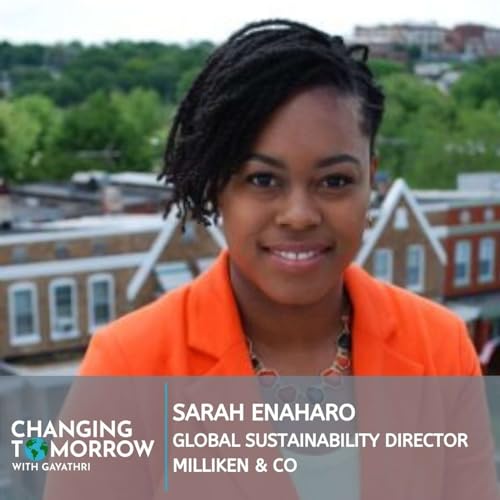
  • Bridging Community Needs with Global Sustainability Goals: A Conversation with Sarah Enaharo
    Jan 24 2024

    Join Gayathri and Sarah Enaharo to explore the intricate intersection of sustainability and well-being. This conversation navigates through the nuances of environmental health, community well-being, and their interconnectedness. The conversation covers a range of topics from how sustainable choices impact communities, the significance of clean resources, and the role of individuals in shaping a greener world.

    This episode is a must-listen for anyone passionate about integrating sustainability into their daily lives and work, offering practical advice and inspiring stories from Sarah's extensive experience in the field.

    🔑 Key Takeaways:

    • Adaptive Sustainability: The evolving nature of sustainable practices and how flexibility is key in addressing global environmental challenges.
    • Wellness & Environment: The significant role of clean air, water, and supportive communities in personal health.
    • Community-Centric Sustainability: The varying impacts of environmental factors on different communities, and the role of equitable resource management in fostering a sustainable future.
    • Sustainable Manufacturing Insights: Innovative practices in the manufacturing sector that are paving the way for a more sustainable industrial future.
    • Personal Sustainability Strategies: Practical, everyday actions that individuals can take to contribute to a larger sustainable impact.


    🌟 Guest Spotlight: Sarah Enaharo

    Sarah Robinson Enaharo, a Greenbiz 30 under 30 awardee, is the Global Sustainability Director at Milliken & Company. With a decade of experience, she specializes in integrating sustainability into various sectors including industrial and manufacturing. Sarah's leadership extends to serving on boards like the Ohio Advisory Board for Trust for Public Lands and the ASID DEI Committee. A speaker at major industry events, she holds a Master's in Engineering & Technology Management and a Bachelor's in Biomedical Engineering. Sarah is passionate about gardening and outdoor family activities.


    📚Resources:

    • USGBC website
    • Blog and Transcript


    🔗Stay Connected:

    Gayathri: LinkedIn

    Sarah Enaharo: LinkedIn

    This podcast is proudly brought to you by Liveable, an independent social sustainability organization based in California.

    • Our Newsletter: If you like the podcast, you'll like the newsletter. Gayathri breaks down what it actually takes to build sustainable, human-impact frameworks: https://liveable.substack.com/
    • Support Our Work: Sharing the show, subscribing, and leaving a review goes a long way and helps us keep these conversations going.
    Show More Show Less
    49 mins
  • Understanding Biophilia: Dispelling Myths with Bill Browning and Catie Ryan
    Jan 4 2024

    Join Gayathri in this episode of 'Changing Tomorrow', featuring biophilic design experts Bill Browning and Catie Ryan. Explore the concepts behind biophilic design, as they debunk common myths and share strategies on its practical application and benefits.


    🔑 Key Takeaways

    • Understanding Biophilic Design: It’s more than just aesthetics; it's about creating a meaningful connection with nature in our built environments.
    • Cost and Application: Contrary to popular belief, biophilic design can be cost-effective and isn’t limited to high-end projects. It's accessible to a wide range of budgets and settings.
    • Beyond the Checklist Approach: Successful biophilic design requires thoughtful integration, not just ticking boxes.
    • The Distinction from Sustainability: While related, biophilic design and sustainability are distinct concepts but can work in synergy.
    • Impact on Well-being and Performance: Evidence suggests significant benefits of biophilic design on human health, well-being, and productivity.


    📚Resources Mentioned

    • "The Economics of Biophilia" for an in-depth understanding of biophilic design principles and their economic benefits.
    • Library of case studies and publications, demonstrating the application and impact of biophilic design elements in different settings.
    • Nature Inside: A Biophilic Design Guide
    • Podcast Article and Transcript

    🌳Project references:

    • MIT Chapel
    • Guggenheim Museum, NYC
    • Paley Park, Manhattan

    🌟 Guest Spotlight

    • Bill Browning: Known for his green building and biophilic design expertise, Bill Browning is a key figure in the real estate industry. Co-founder of Terrapin Bright Green, he has consulted for clients like Google and Marriott Westin, and has been honored with awards such as the ASID National Design for Humanity Award.
    • Catie Ryan: As Director of Projects at Terrapin, Catie Ryan combines human health, nature, and architecture with 18 years of design experience. She's recognized for her strategic approach to design and her contributions to biophilic design publications.

    This podcast is proudly brought to you by Liveable, an independent social sustainability organization based in California.

    • Our Newsletter: If you like the podcast, you'll like the newsletter. Gayathri breaks down what it actually takes to build sustainable, human-impact frameworks: https://liveable.substack.com/
    • Support Our Work: Sharing the show, subscribing, and leaving a review goes a long way and helps us keep these conversations going.
    Show More Show Less
    50 mins
  • From Awareness to Action: Tackling Forced Labor with Tu Rinsche
    Dec 6 2023

    In this episode of "Changing Tomorrow," host Gayathri has a profound conversation with Tu Rinsche, a prominent human rights advocate. They delve into the complex world of forced labor, exploring its facets and impacts across industries globally and its ripples locally. The episode is a rich blend of insights, practical strategies, and inspiring stories, aimed at shedding light on the global issue of forced labor and the various means to combat it.


    🔑 Key Takeaways

    • Global and Local Scope of Forced Labor: Tu provides an alarming overview of forced labor, affecting over 50 million people worldwide. While often perceived as a global issue, forced labor also has significant effects at the local community level.
    • Forced Labor in Different Industries: Tu delves into forced labor in industries like construction, technology, apparel, food, and agriculture, highlighting unique issues within different sectors.
    • The Importance of Imperfect Actions: Tu advocates for small, yet significant steps, stressing their cumulative impact in making a difference.
    • Business Case for Human Rights: The discussion explores how addressing human rights issues can be beneficial for businesses, leading to long-term sustainability and brand value.
    • Self-Care for Human Rights Workers: Acknowledging the challenges faced by those working in human rights, Tu discusses strategies for maintaining personal well-being while engaging in this demanding work.
    • Tu Rinche’s Career Journey: Tu shares her personal journey from the Peace Corps to advising major global organizations building extensive experience in the human rights sector.

    📚Resources Mentioned

    • International Labor Organization
    • Global Slavery Index from Walk Free Foundation
    • Verite
    • Supply Chain Traceability Matrix
    • Forced Labor, US Department of Labor
    • Design for Freedom from Grace Farms Foundation
    • Principles for Dignity in the Built Environment
    • Laudes Foundation
    • Podcast Article and Transcript

    🌟 Guest Spotlight: Tu Rinsche

    Tu Rinsche is an award-winning sustainability and social impact leader with two decades of global experience across iconic organizations and brands. A visionary strategist and innovator, she excels in corporate strategy, social impact, public policy, and forging strategic partnerships. Currently, she is the Founder and Principal at All Rights Advisors, a boutique management consulting firm that advances environmental and social sustainability.

    This podcast is proudly brought to you by Liveable, an independent social sustainability organization based in California.

    • Our Newsletter: If you like the podcast, you'll like the newsletter. Gayathri breaks down what it actually takes to build sustainable, human-impact frameworks: https://liveable.substack.com/
    • Support Our Work: Sharing the show, subscribing, and leaving a review goes a long way and helps us keep these conversations going.
    Show More Show Less
    47 mins
  • Climate Action in Every Job: Innovating for Change with Daniel Hill
    Nov 22 2023

    Are you interested in making a real impact in the fight against climate change? Dive into this must-listen episode where our host, Gayathri, talks to the dynamic Daniel Hill – a true trailblazer in the realm of environmental innovation and opportunities.

    🔑 Key Takeaways:

    • Fostering Community in Climate Action: Daniel emphasizes the crucial role of community-building in driving climate action and supporting career growth within the climate sector.
    • Addressing Mental Health in Climate Advocacy: He delves into the importance of maintaining mental well-being while engaged in climate work.
    • Championing Diversity for Sustainable Solutions: Daniel discusses the need for diverse perspectives and experiences in crafting holistic and equitable climate solutions, drawing on insights from leaders.
    • Innovating Beyond Technology in Climate Initiatives: He explores the necessity of embedding climate goals into the very fabric of business operations, moving beyond technological solutions to encompass broader strategic innovations.
    • Redefining Roles: Every Job as a Climate Opportunity: Advocating for a paradigm shift where sustainability and climate action are integral to every job role, not confined to designated climate-focused positions.

    📚Resources:

    • Environmental Defense Fund's Climate Corps Fellowship
    • Project Drawdown Resources
    • Open Door Climate Initiative
    • Brown Girl Green
    • Degrees Podcast
    • Podcast article and transcript


    🔗Stay Connected:

    Gayathri: LinkedIn

    Daniel Hill : LinkedIn

    🌟 Guest Spotlight: Daniel Hill

    Daniel Hill stands at the forefront of environmental change, directing Business and Innovation at the Environmental Defense Fund. His focus on accelerating climate solutions and nurturing changemakers has marked him as a pivotal figure in environmental innovation. As the steward of EDF’s Innovation Fund, he is instrumental in unleashing inventive solutions for environmental preservation. His initiatives, such as hosting the Degrees Podcast mini-series "The Year of the Climate Job" and founding the influential #OpenDoorClimate movement, have created significant pathways for those seeking to enter the climate space.

    His contributions have been recognized through multiple fellowships and prestigious awards, underscoring his commitment and impact in the field of environmental sustainability

    This podcast is proudly brought to you by Liveable, an independent social sustainability organization based in California.

    • Our Newsletter: If you like the podcast, you'll like the newsletter. Gayathri breaks down what it actually takes to build sustainable, human-impact frameworks: https://liveable.substack.com/
    • Support Our Work: Sharing the show, subscribing, and leaving a review goes a long way and helps us keep these conversations going.
    Show More Show Less
    39 mins
  • JEDI & ESG in Architecture: Building an Equitable Future with Yiselle Santos Rivera
    Nov 8 2023

    🔊 In this episode of "Changing Tomorrow," Gayathri, founder of Liveable, sits down with the visionary Yiselle Santos Rivera, a trailblazer in the realm of Justice, Equity, Diversity, and Inclusion (JEDI) within the architecture and design industry. She delves into the practicalities of Environmental, Social, and Governance (ESG) principles and how they can be effectively operationalized within organizations and individual projects to foster sustainable, inclusive communities. As a minority in the industry, Yiselle also offers a candid look at her experiences and the systemic challenges she's navigated.


    🔑 Key Takeaways:

    • Embrace ESG as a holistic approach to design, going beyond sustainability to encompass social impact and governance.
    • ESG is a journey, not just a destination, and should be integrated into the daily operations of organizations.
    • Understand the critical role of JEDI in creating spaces that reflect diversity, equity, and inclusion.
    • JEDI principles are essential in creating equitable and inclusive spaces within the architectural industry.
    • Starting with small steps and being comfortable with imperfection can lead to significant change.
    • Building a supportive community is crucial for fostering dialogue and action around social equity in design.


    📚Resources:

    • AIA Guides for Equitable Practice
    • "Out in Architecture" book spotlighting LGBTQIA+ voices
    • Podcast Article and Transcript


    🔗Stay Connected:

    Gayathri: LinkedIn

    Yiselle Santos Rivera : LinkedIn

    This podcast is proudly brought to you by Liveable, an independent social sustainability organization based in California.

    • Our Newsletter: If you like the podcast, you'll like the newsletter. Gayathri breaks down what it actually takes to build sustainable, human-impact frameworks: https://liveable.substack.com/
    • Support Our Work: Sharing the show, subscribing, and leaving a review goes a long way and helps us keep these conversations going.
    Show More Show Less
    47 mins
  • Well at Work: Redefining the Modern Workspace with Dr. Esther Sternberg
    Oct 25 2023

    Dr. Esther Sternberg, a medical doctor, is a pioneer in blending medical science with architecture and design, paving the way for enhanced well-being and productivity in workspaces.

    She's the Research Director at Andrew Weil Center for Integrative Medicine, and Founding Director at University of Arizona Institute on Place, Wellbeing & Performance. Her notable work with the U.S. General Services Administration on wearable devices informs post-COVID workspace design. She's advised several prestigious institutions on design and health. Author of "Healing Spaces" and the new "WELL at WORK," her work drives the design-health movement into the post-COVID era, showcasing how integrative health in workspaces can boost physical health, emotional wellbeing, and productivity.

    In this episode, Gayathri and Dr. Sternberg discuss the elements of an effective workspace, both at home and in offices.

    🔑 Key Takeaways:

    • Holistic Health in Workspaces: Beyond good ventilation and filtration, a holistic approach to workspace wellness extends to enhancing emotional and physical well-being.
    • Intentionality in Workplace Relationships: Dr. Sternberg draws a parallel between the spirituality in the Japanese tea ceremony and the intentionality required in fostering nurturing workplace relationships and designing a workplace that helps design peoples health.
    • Seven Domains of Integrative Health: Engaging in all seven domains of integrative health significantly impacts wellness and resilience, offering a robust foundation for workspace design.
    • The Future of Office Spaces: The evolution towards creating inviting, well-being-centric spaces that foster community, social interactions, and support among employees in a hybrid work era.
    • Open Office Spaces: The lesser known benefits of well designed open office designs including an increase in physical activity and reduction in stress levels.

    📚Resources:

    Books:

    • "Healing Spaces: The Science of Place and Well-Being" by Dr. Esther Sternberg
    • "Well at Work, Creating Well-Being in Any Workspace" by Dr. Esther Sternberg
    • Check out the blog post for the complete list of resources shared in this episode.

    This podcast is proudly brought to you by Liveable, an independent social sustainability organization based in California.

    • Our Newsletter: If you like the podcast, you'll like the newsletter. Gayathri breaks down what it actually takes to build sustainable, human-impact frameworks: https://liveable.substack.com/
    • Support Our Work: Sharing the show, subscribing, and leaving a review goes a long way and helps us keep these conversations going.
    Show More Show Less
    58 mins